Regional Police Training Conference
Southeast Asian Police Forces Unite to Combat Cyber-Crime Through Community Policing
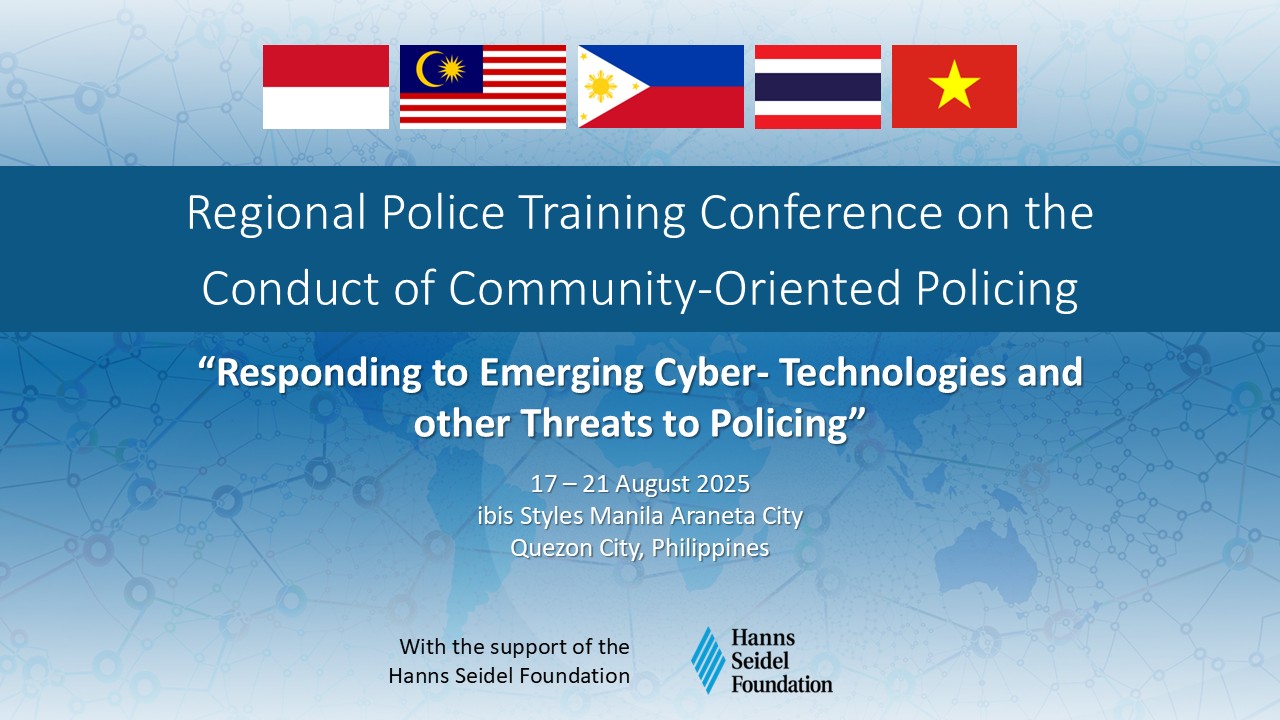
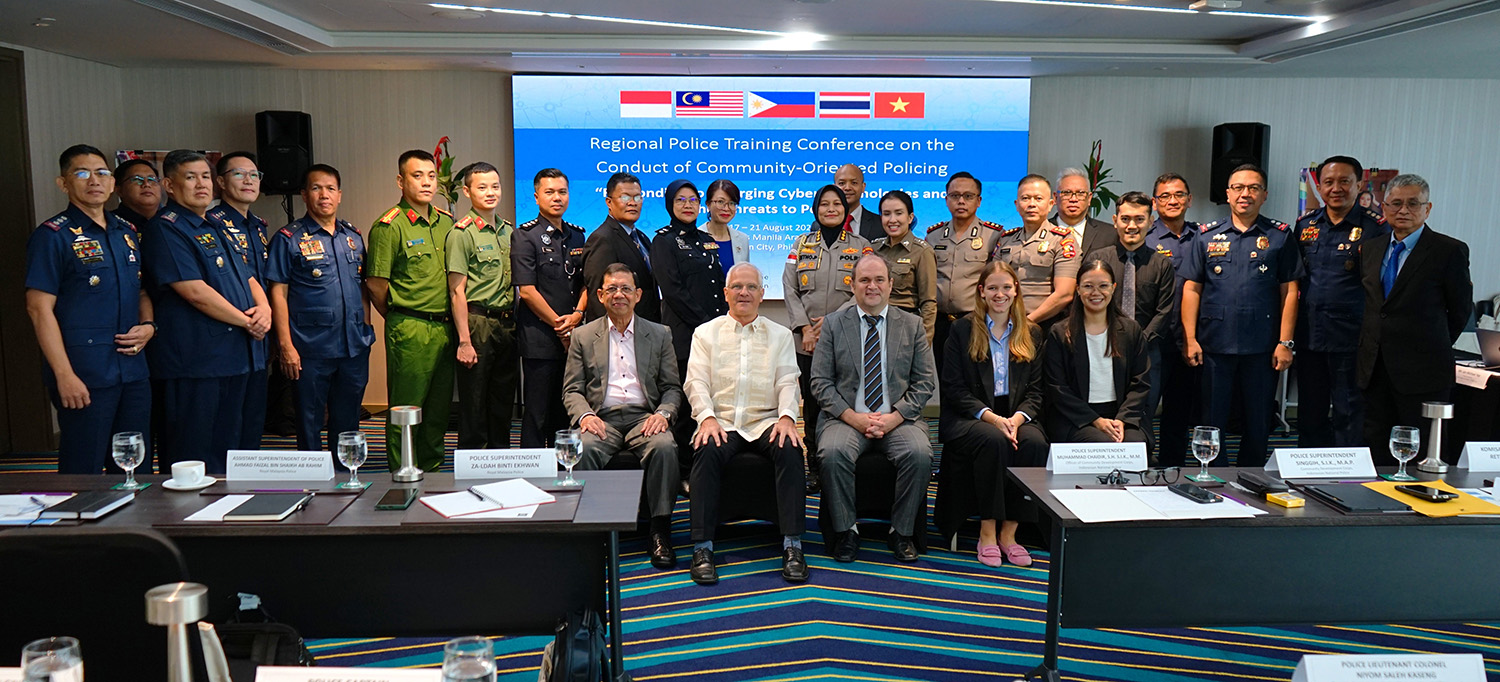
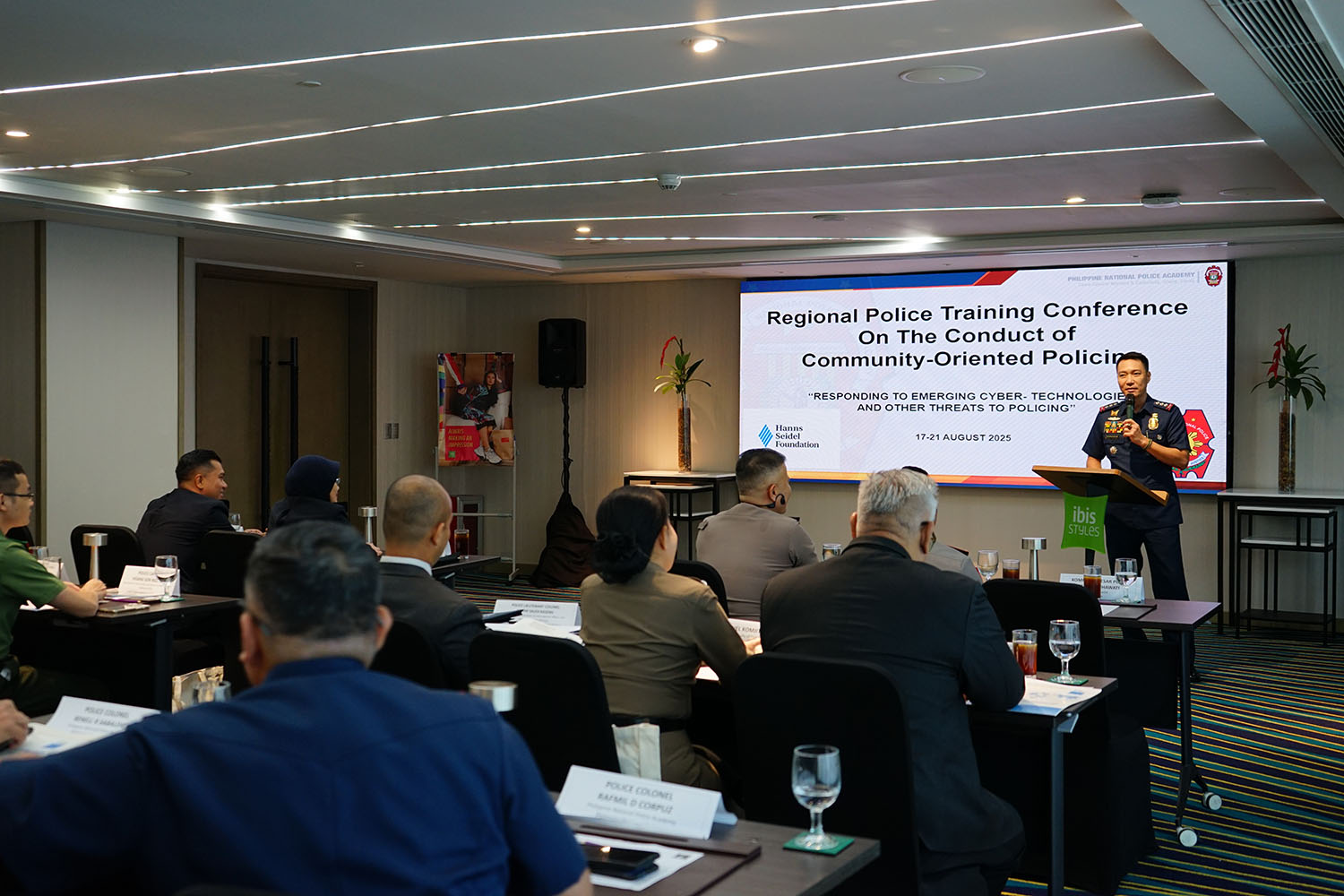
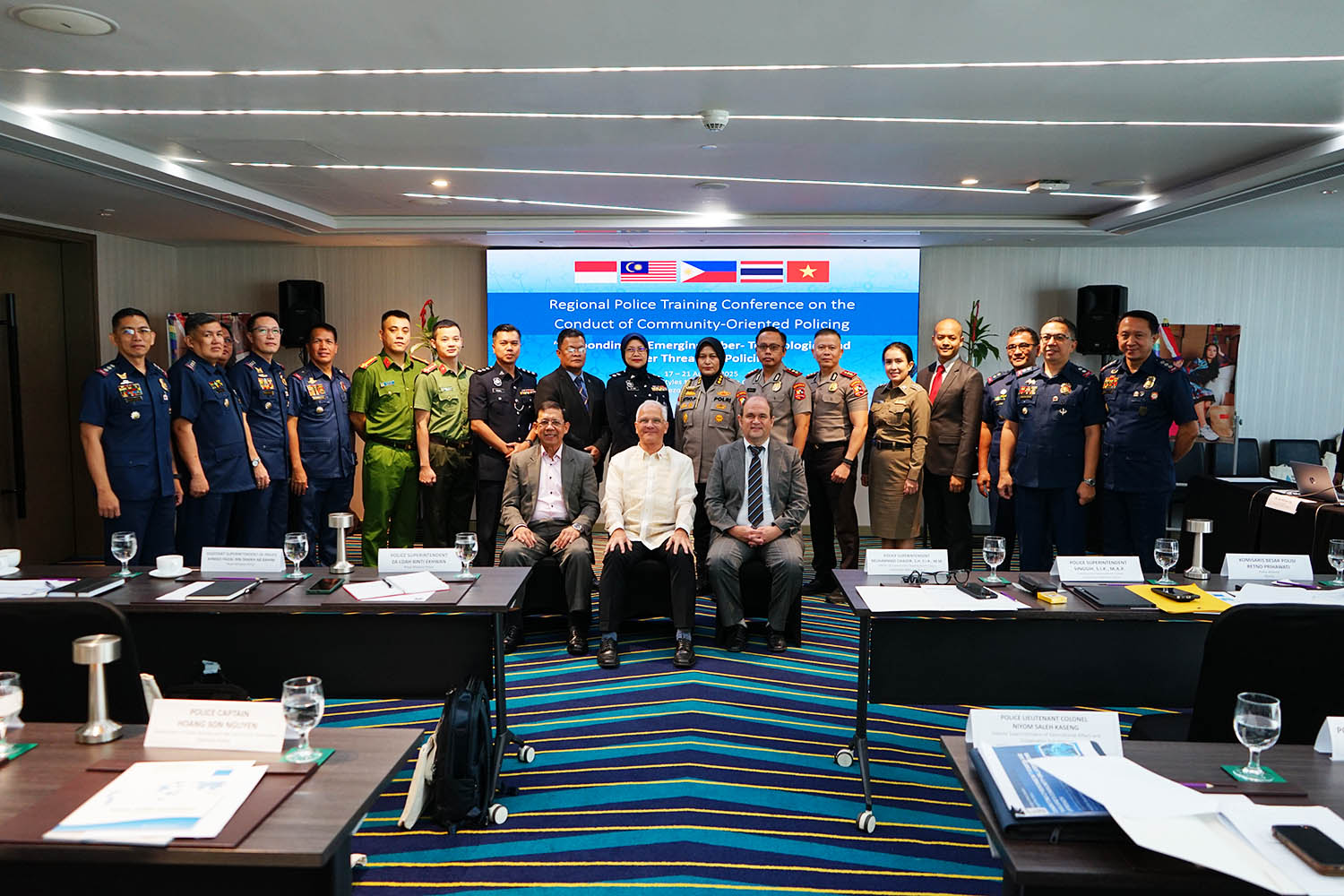
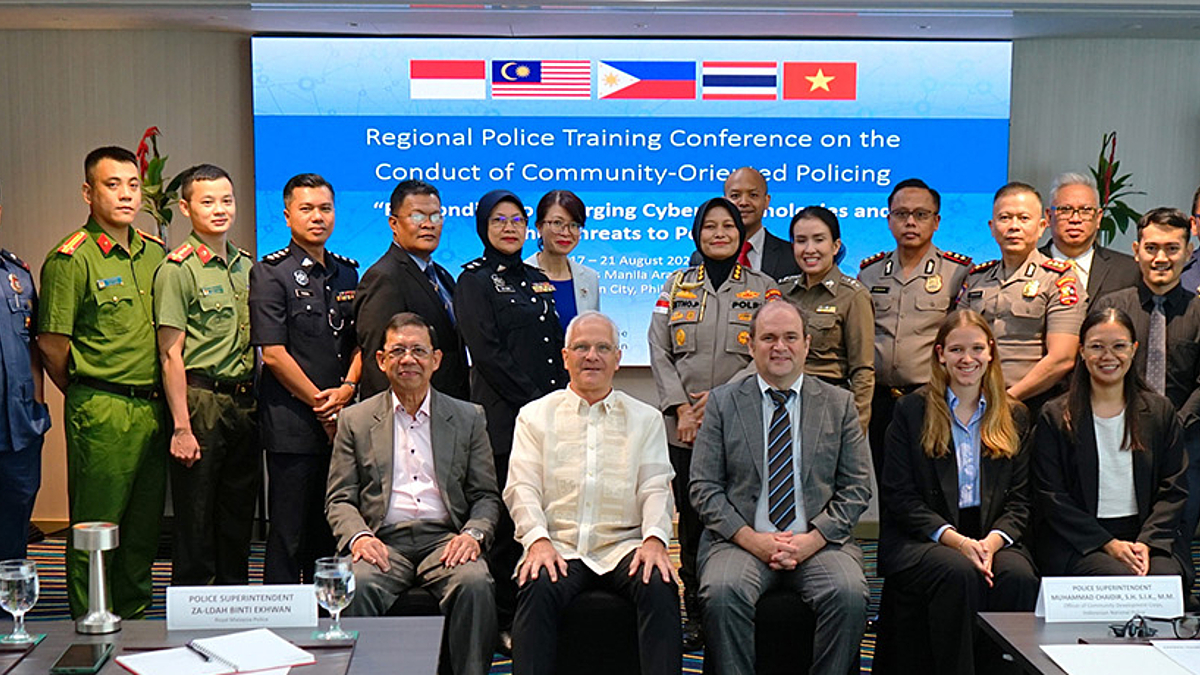
The Regional Police Training Conference on Community-Oriented Policing - Responding to Emerging Cyber- Technologies and other Threats to Policing, held on August 17–21, 2025, brought together more than 20 senior officers from Indonesia, Malaysia, Philippines, Thailand, and Vietnam to exchange strategies and strengthen regional cooperation frameworks.
These questions—Which cyber threats pose a challenge for the policing of the future, and how can they be integrated into citizen-oriented policing?—were central to the discussions.
HSF; © HSF
Building Bridges Across Borders
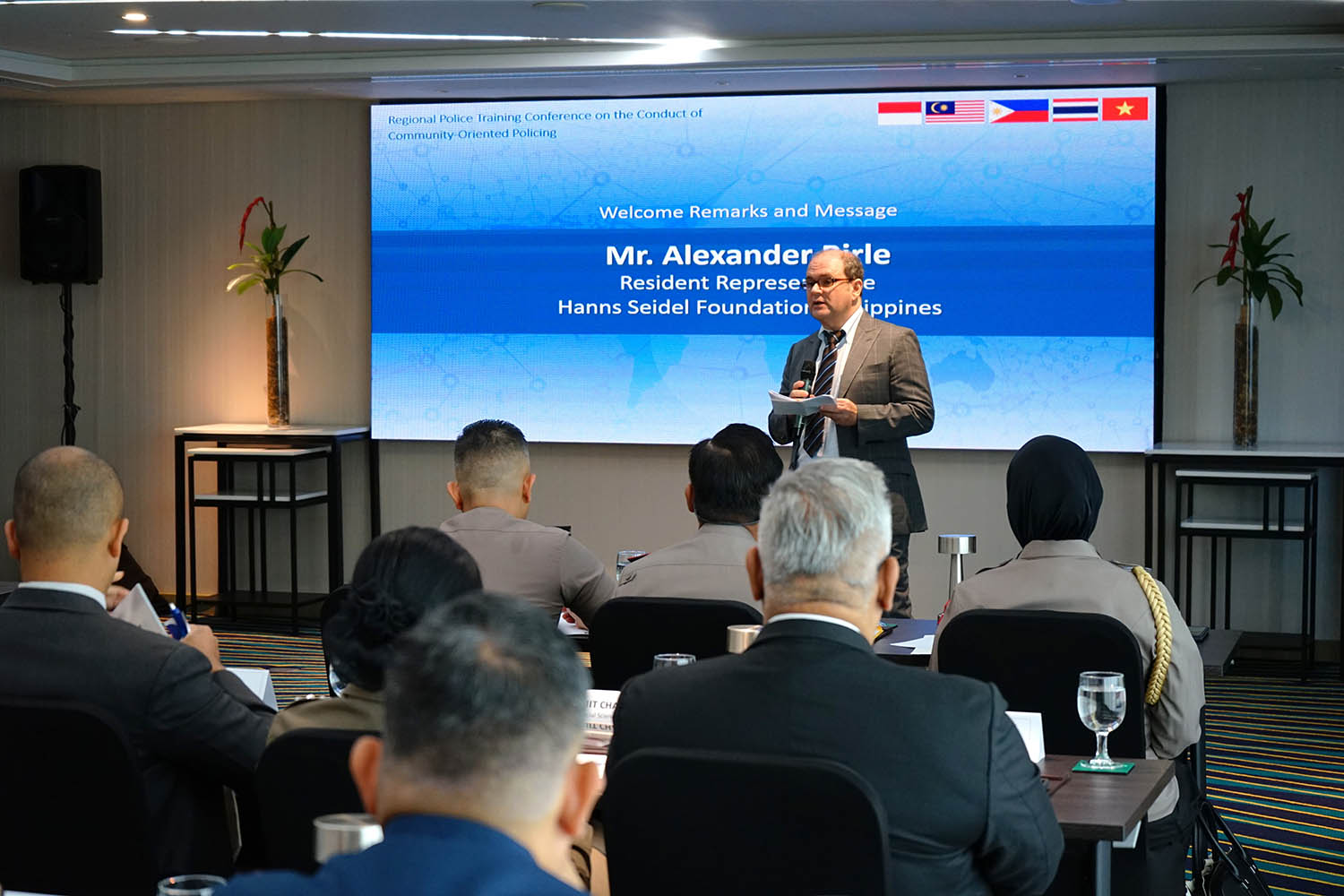
Organized by the Hanns Seidel Foundation Philippines (HSF), the event forms part of a decade-long initiative to enhance police training capacities across Southeast Asia. Since 2014, HSF has facilitated regular exchanges among regional police agencies, sharing best practices inspired by methods of the Bavarian Police Academy.
The conference demonstrated that the principle of community-oriented policing (COP) has been successfully integrated into police training curricula and operational procedures across participating countries. However, all nations continue to grapple with cybercrime threats that extend far beyond the reach of traditional policing.
At the heart of the conference was a central question: How can police forces uphold the community trust essential for effective policing while building capabilities to combat crimes that take place in digital spaces?
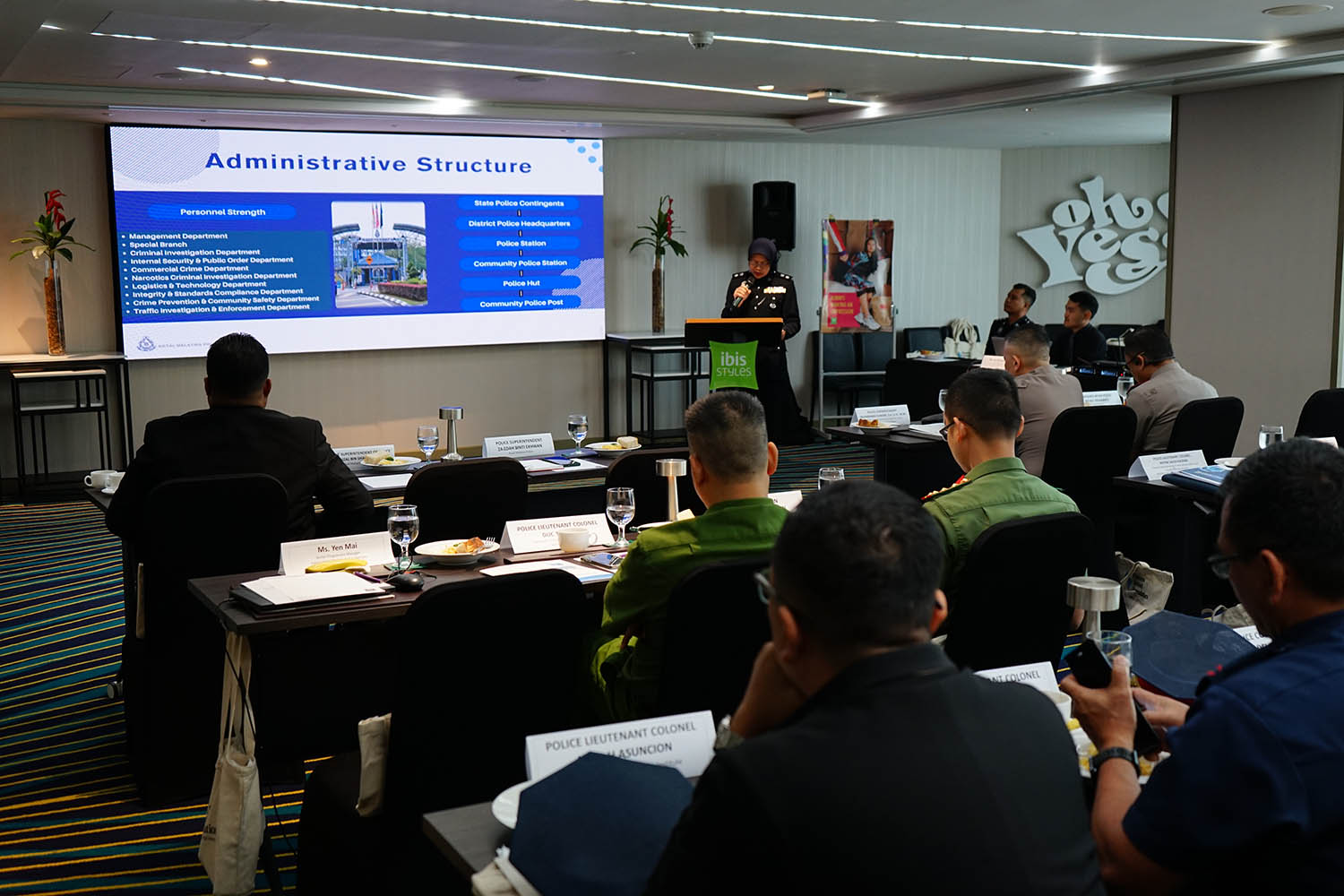
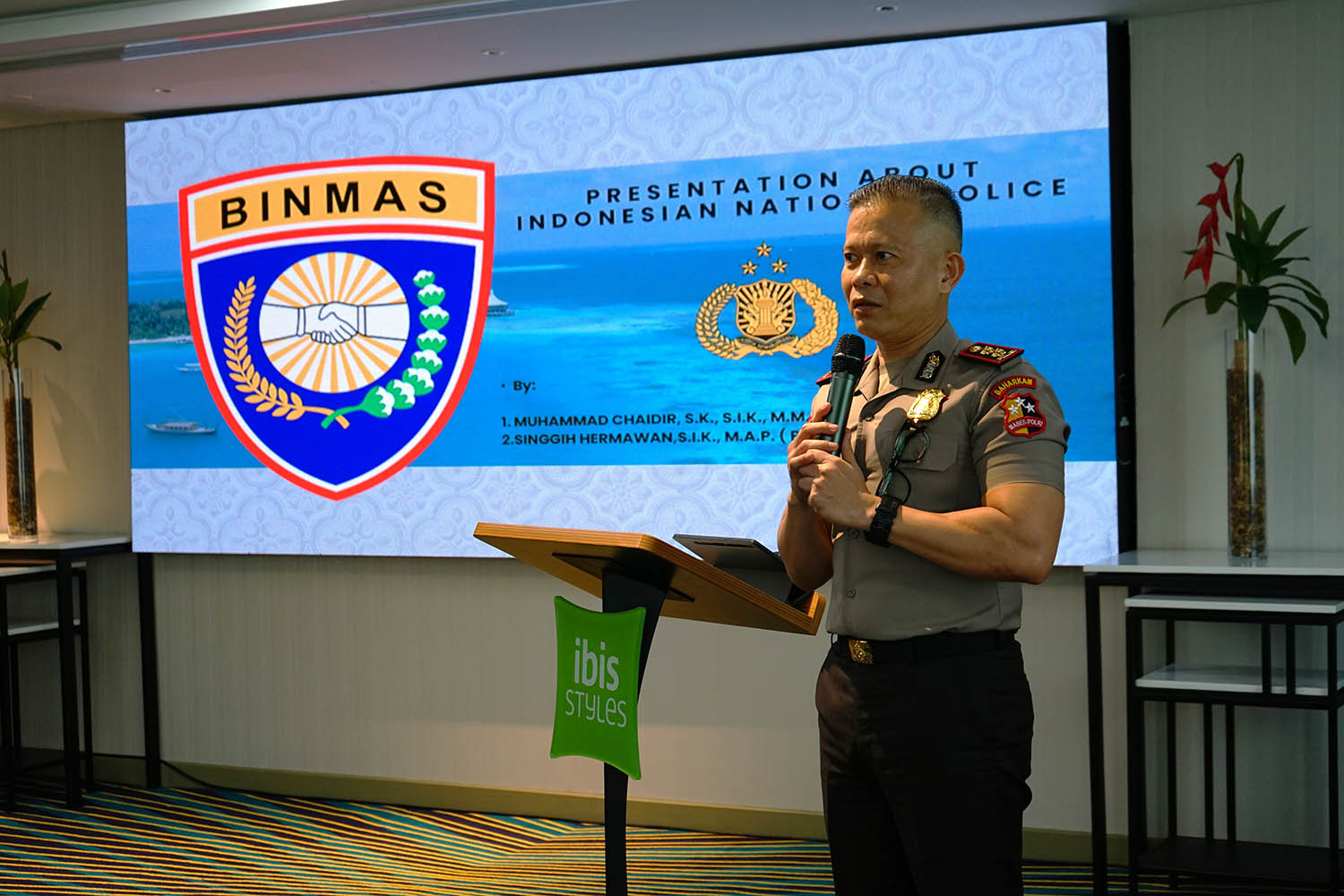
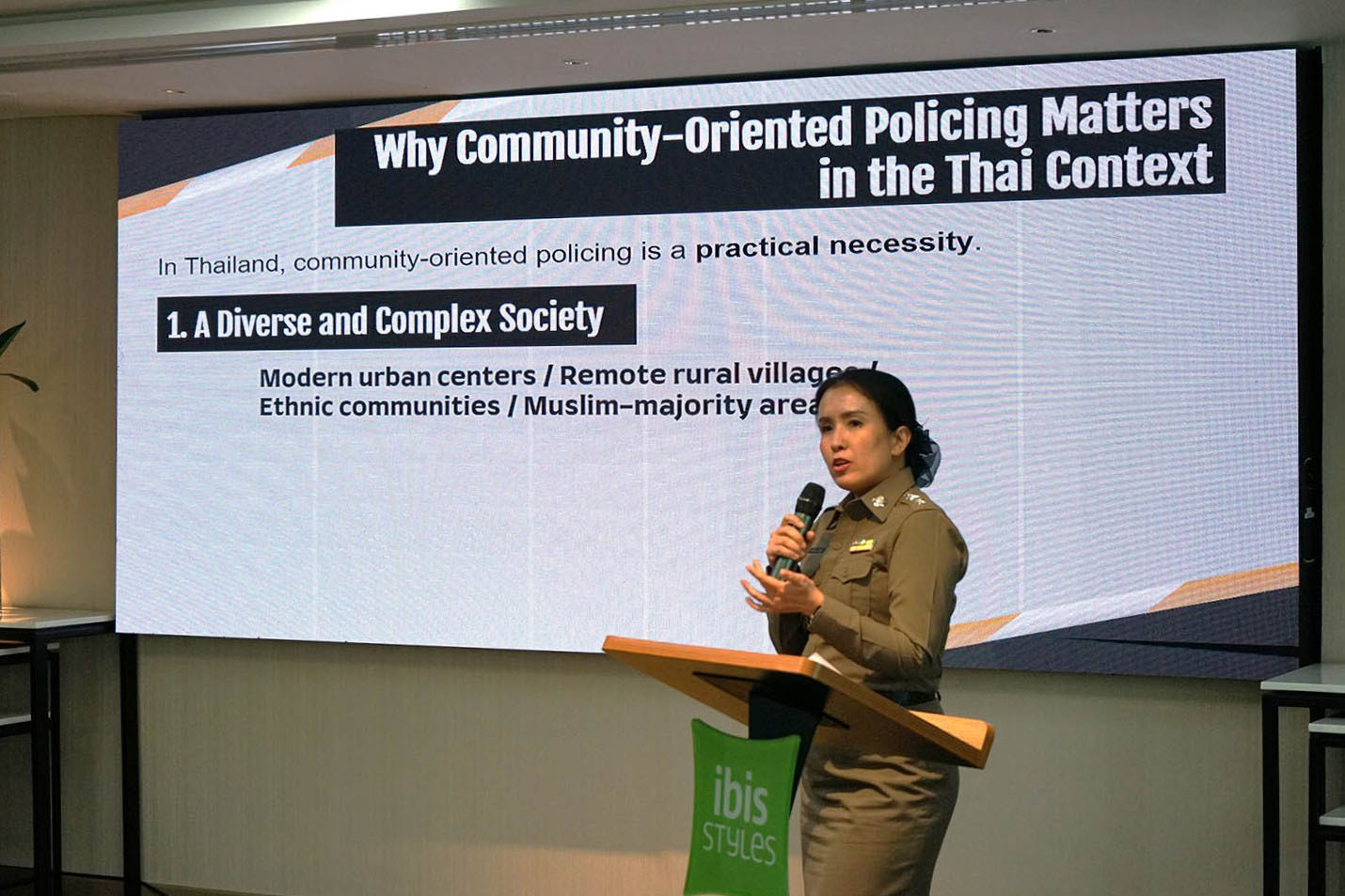
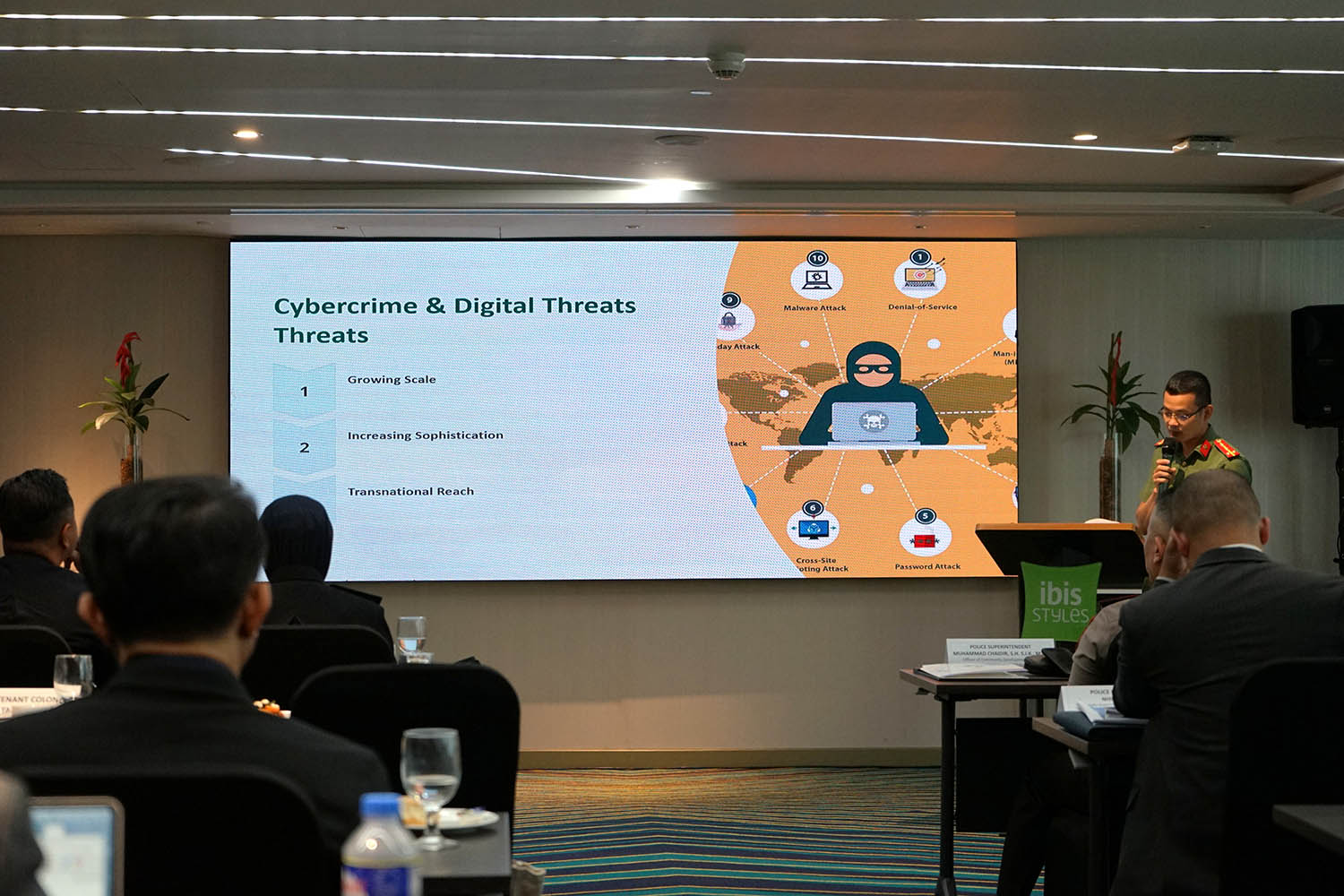
Participants presented detailed accounts of their national strategies for integrating community policing with cyber-security initiatives. Discussions covered a wide range of topics—from AI-enabled fraud schemes and ransomware to cyber-manipulation of public opinion.
Each country also highlighted its own pressing challenges, including cyberporn, financial fraud, and sophisticated hacking attacks against both public institutions and private organizations. Despite differences in legal frameworks and cultural contexts, participants noted striking similarities in the threats confronting their societies. Delegates also emphasized the importance of aligning cybercrime responses with community trust-building efforts, noting that digital threats often exploit social vulnerabilities and misinformation.
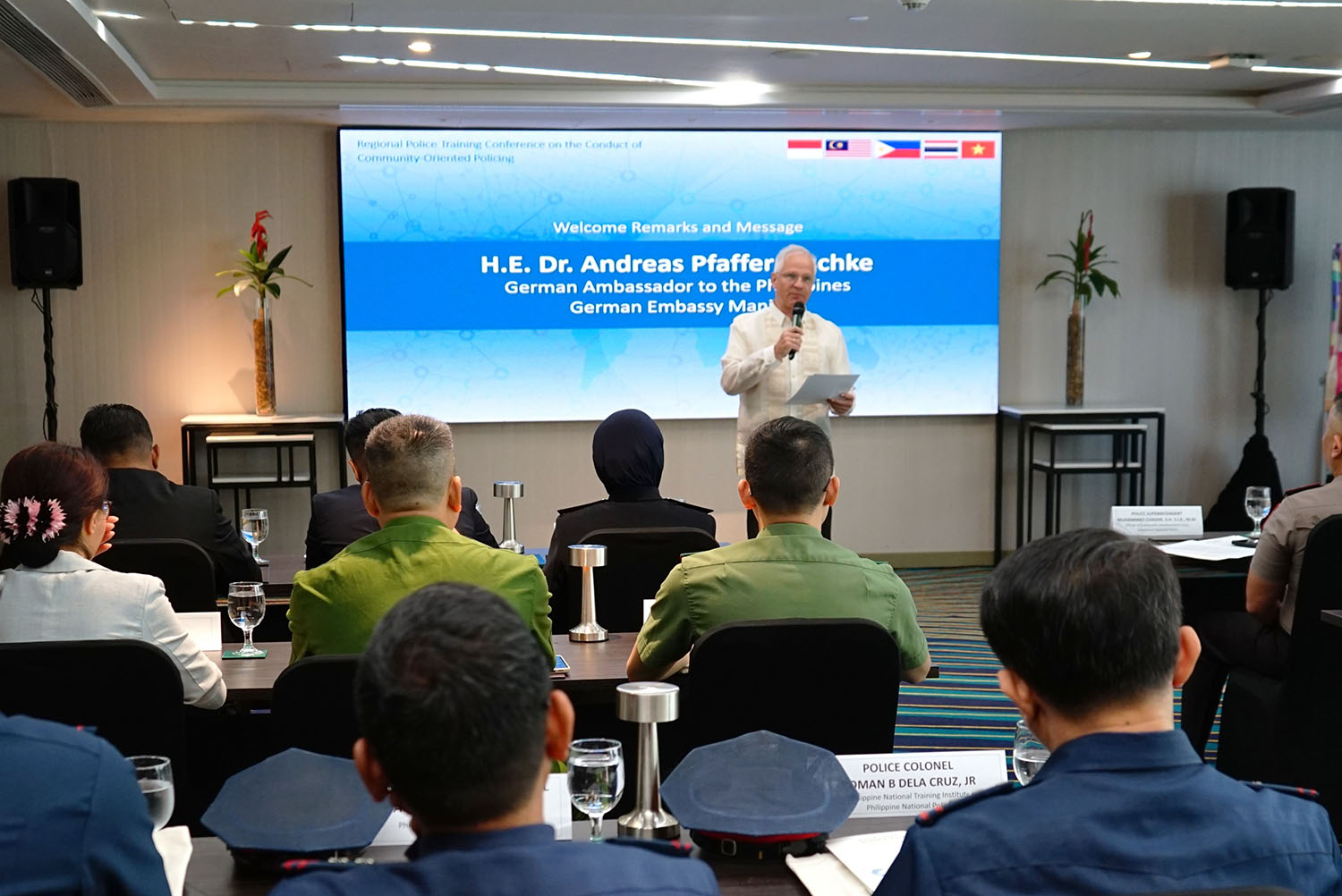
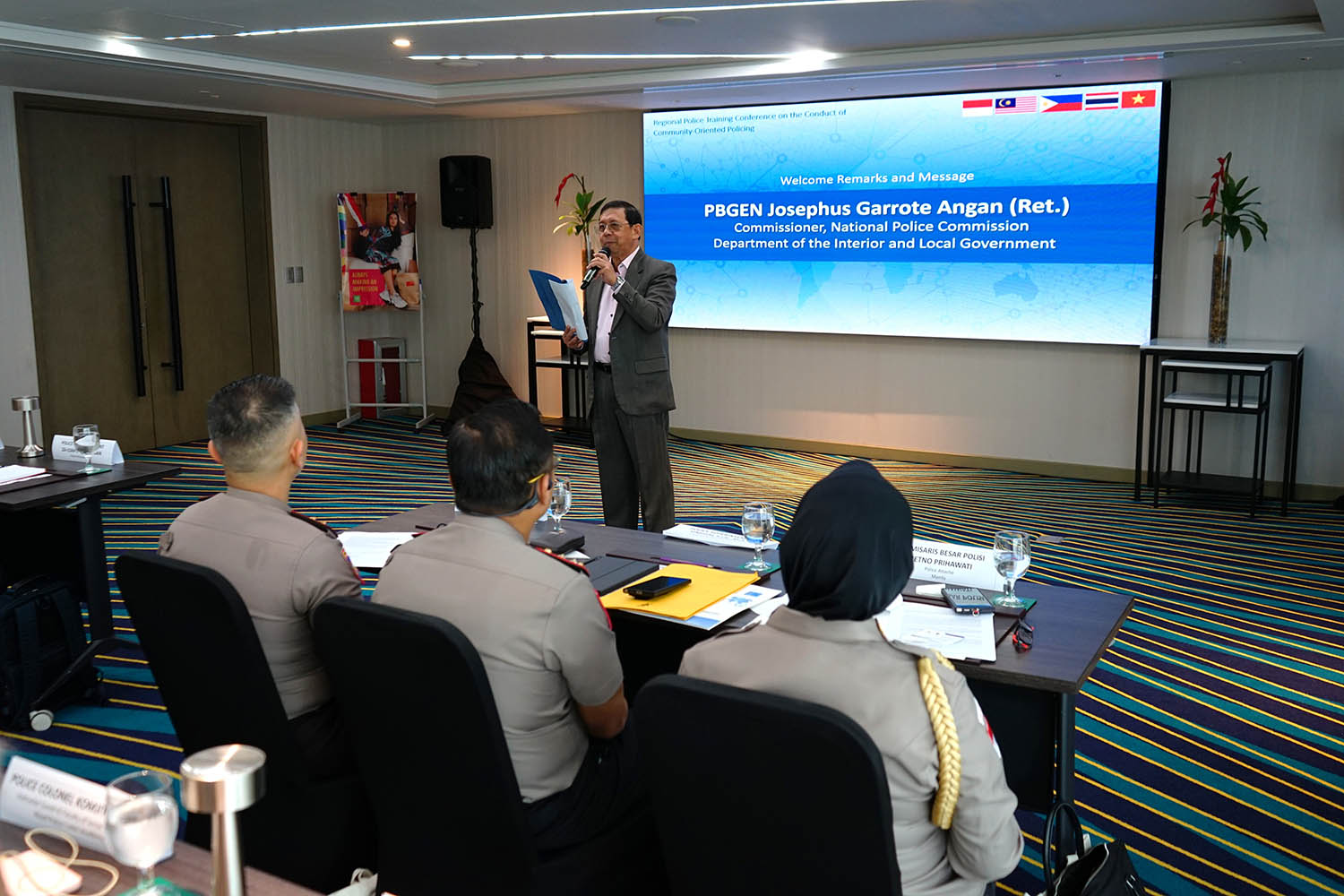
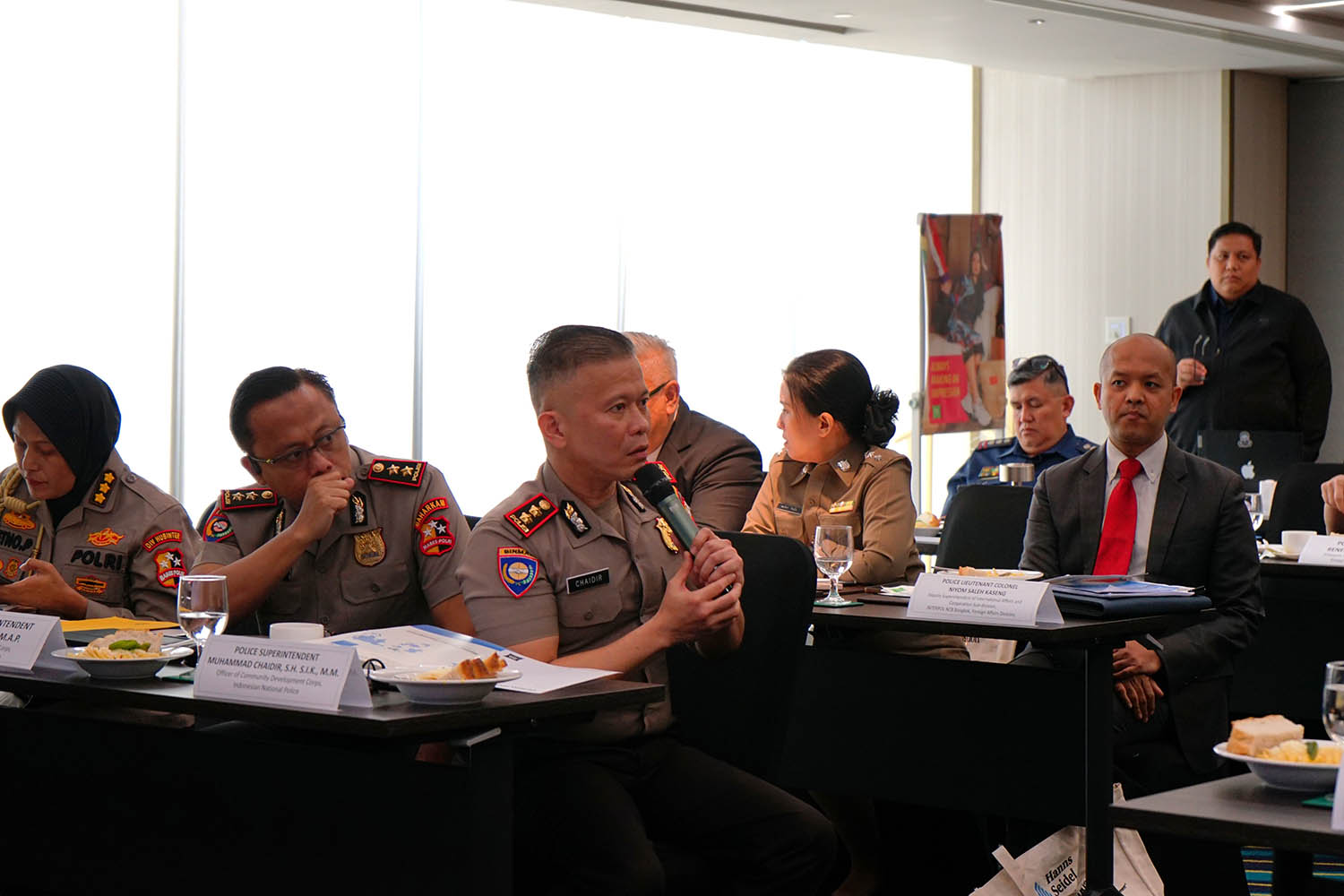
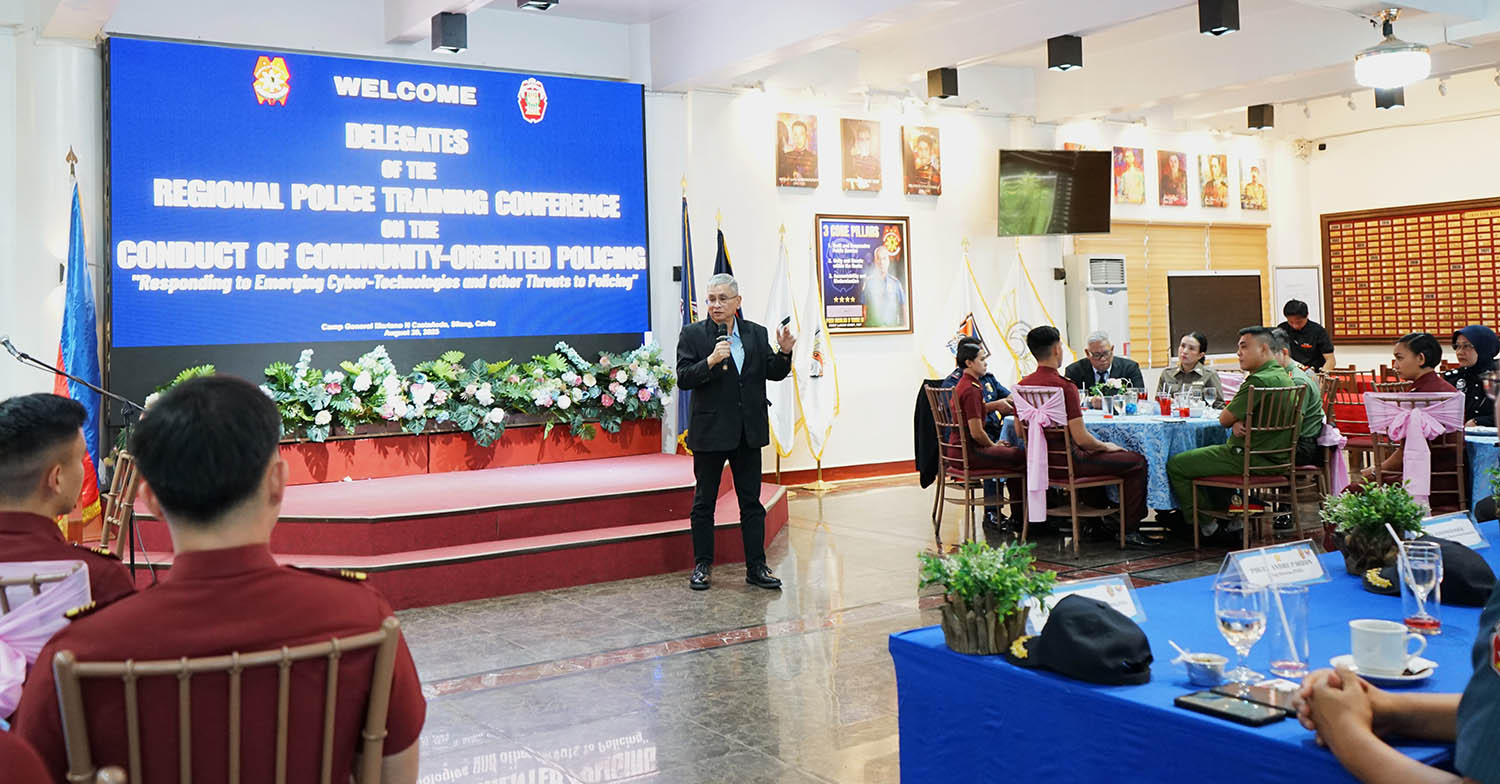
The contributions of the German Ambassador Dr. Andreas Pfaffernoschke and PBGEN Josephus Garrote Angan, member of the National Police Commission of the Philippines, were especially valuable. They emphasized the importance of trust as the foundation for effective and citizen-oriented police work.

Delegates observe a cybercrime simulation exercise at the Philippine National Police Academy
HSF
Learning Through Practice
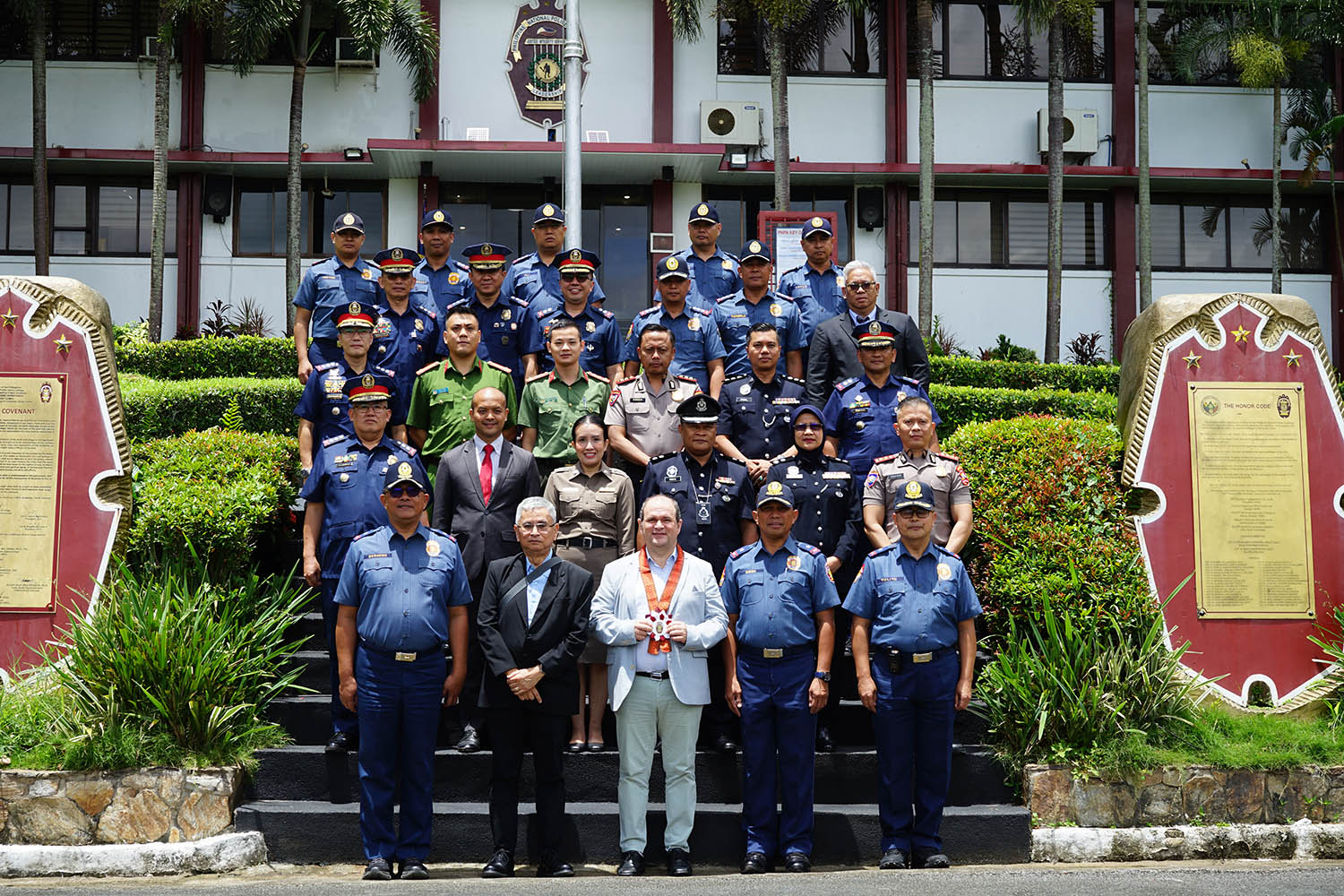
A key highlight of the program was a visit to the Philippine National Police Academy in Silang, Cavite, where international delegates observed simulation exercises on cyber-crime response.
The simulation exercise (SIMEX) was conducted by senior police commissioned officer cadets and focused on planning a police operation targeting cybercrime. The practical training showcased case-based scenarios that blended community-oriented policing with advanced technological expertise, offering a glimpse of how cadets are being prepared to confront complex digital threats while maintaining community engagement.
Regional Cooperation Framework
Beyond knowledge-sharing, the conference produced concrete frameworks for continued collaboration. Participating police officials presented their respective police organizations’ strategies and measures in promoting community-oriented policing, also responding to the challenges to, and opportunities to policing in the present time. Specific outputs include the following:
- Common approaches to promote community-oriented policing in conduct of training and actual police operations, and responses to emerging threats of cyber- and cybercrime; and
- Recommendations for refining or improving programs which promote community-oriented policing within the context of emerging technologies and threats.
Local approaches focus on Police-Community Partnership Councils, community immersion programs, and collaborations with schools, civic groups, and business chambers. To establish partnerships, key stakeholders must be identified, followed by pilot activities such as dialogues, youth forums, and cyber safety campaigns. These efforts aim to build trust and legitimacy, strengthen citizen participation, foster youth engagement, and secure local resource support in regard of cybercrimes.
Regional approaches to tackle cybercrime include COP conferences, exchange programs, cross-border working groups, and shared training manuals. Partnerships should be built by coordinating with regional police offices and academies, proposing joint trainings, forming working committees, and developing shared modules. Expected outcomes are harmonized strategies, improved officer competencies, coordinated cybercrime responses, and more efficient resource use.
At the international level, envisioned approaches include participation in networks such as ASEAN National Police (ASEANAPOL), INTERPOL, United Nations Office on Drugs and Crime (UNODC), and International Association of Chiefs of Police (IACP), as well as fostering research collaborations, and promoting study tours, fellowships, and virtual COP forums. Such linkages are established by securing memberships, applying for exchange programs, partnering with foreign police academies, and contributing research and case studies. Expected outcomes include access to global best practices, stronger cooperation against transnational threats, enhanced officer development, and continuous knowledge exchange.
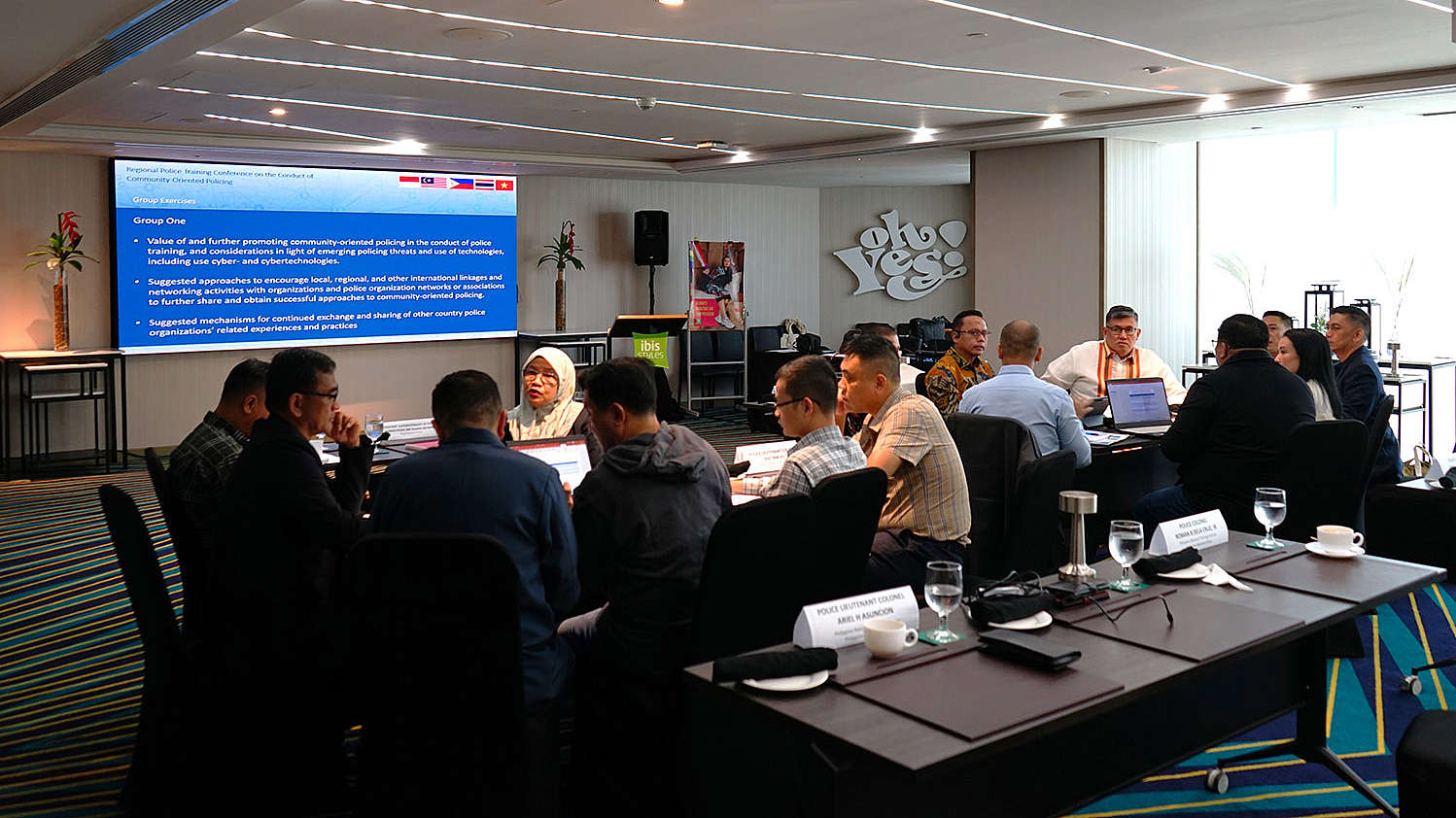
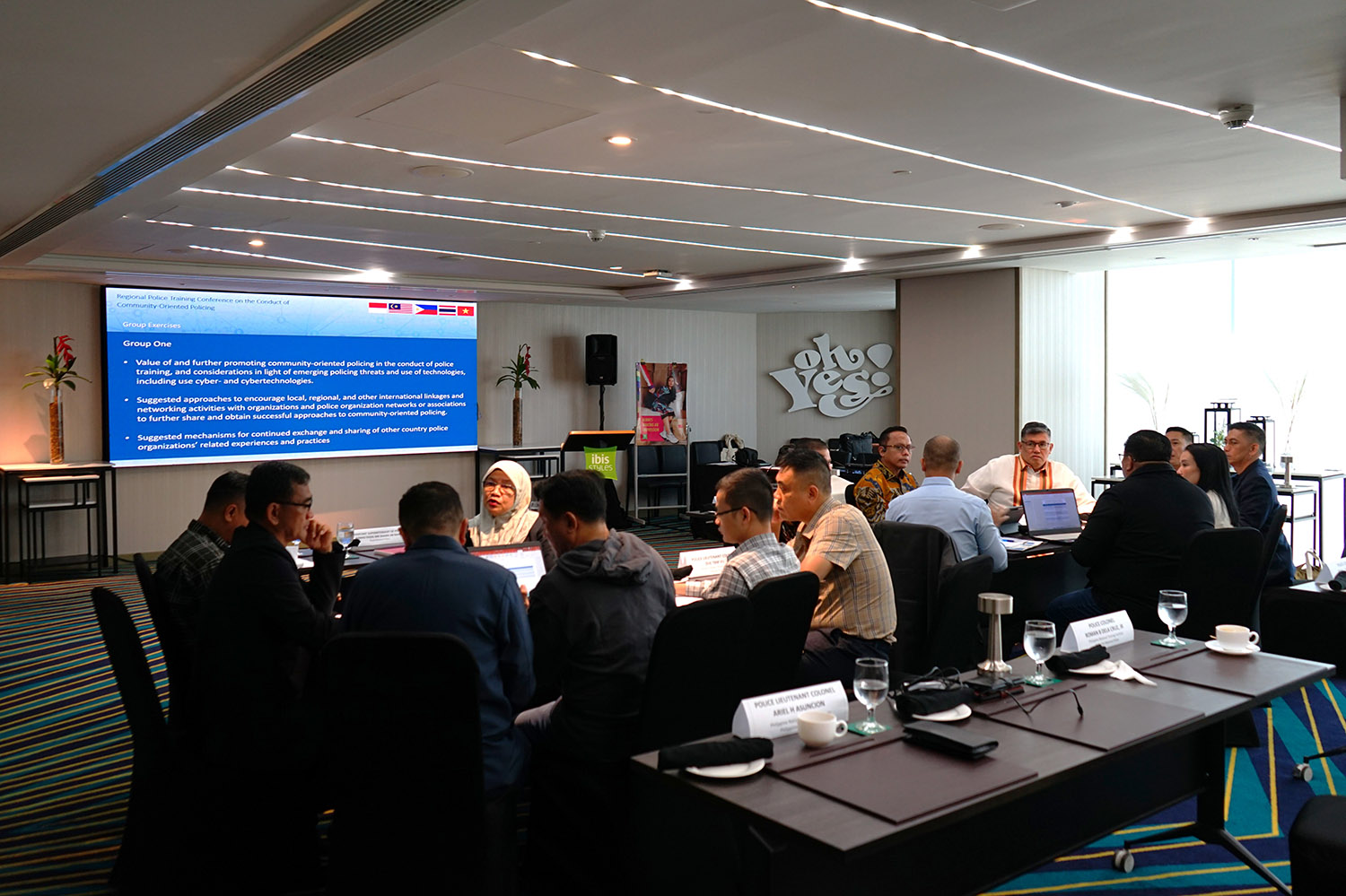
The workshop and lively international exchange strengthened networking and information-sharing among participants.
HSF
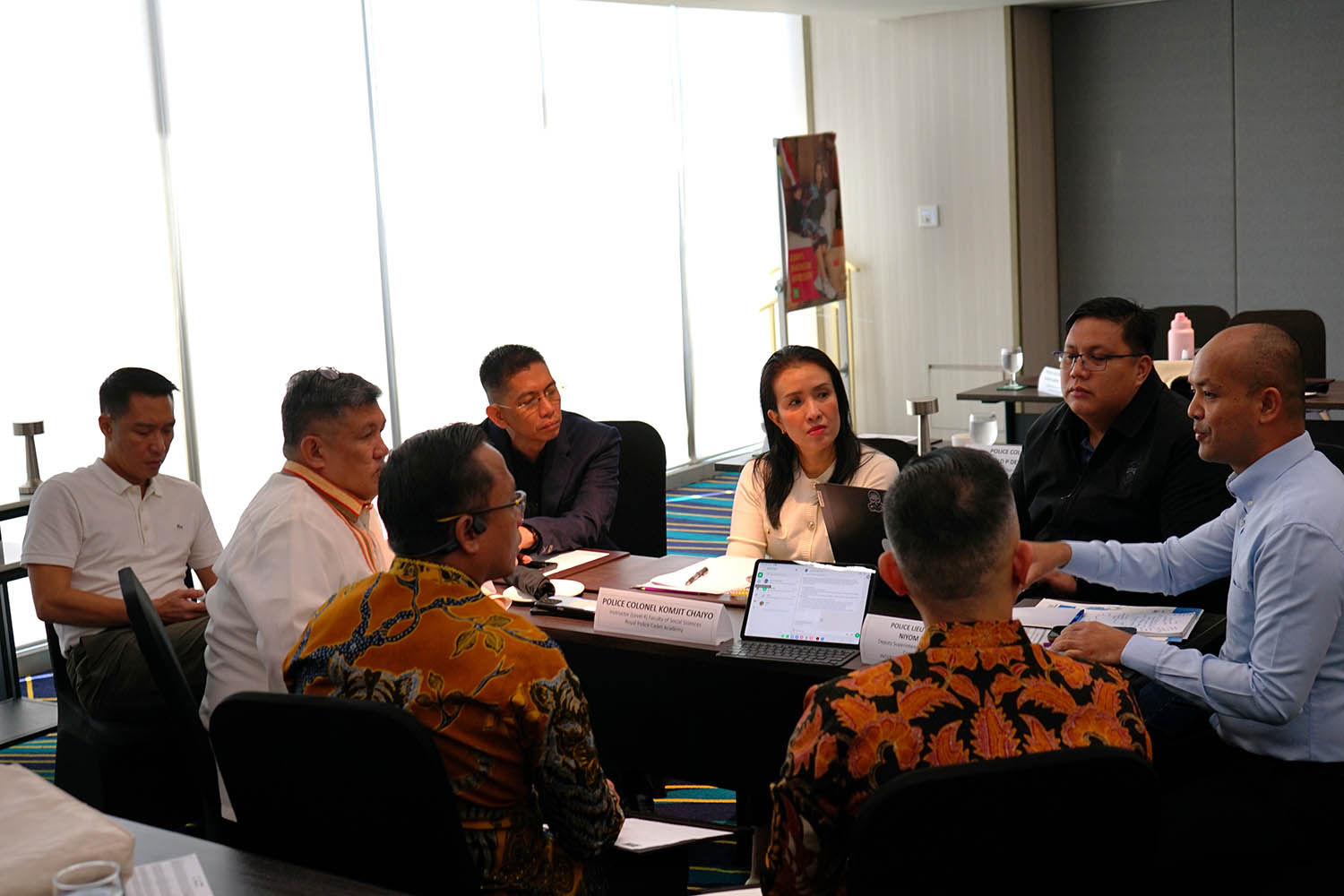
On the second day of the workshop, the participants were divided into two working groups. One group focused on promoting the Conference of the Parties (COP) in response to emerging threats and technologies, while the other group focused on strengthening international linkages and mechanisms for continued exchange. The lively international exchange strengthened networking among participants and encouraged ongoing information-sharing on police strategy development across ASEAN countries. Delegates proposed the creation of a regional digital repository to document COP best practices and cybercrime case studies, enabling cross-border learning and innovation.
Participants also suggested the development of mechanisms to support these efforts, including a digital best practice repository, COP innovation labs, joint cybercrime help desks, and annual summits. These mechanisms could be supported by online platforms, collaboration with IT firms and universities, and the organization of cyber-awareness events. The intended results are a centralized hub for COP knowledge, co-developed safety tools, improved public cyber services, and a sustained collaboration platform.
Looking Ahead
The conference reaffirmed the continuing importance of community-oriented policing in the face of increasingly complex digital threats. Strengthening trust and collaboration at the community level equips police forces with vital intelligence to detect and address cyber-crimes—many of which, though transnational in nature, often have roots or consequences within local communities.
Participants expressed their appreciation to the Hanns Seidel Foundation, through its regional cooperation program, for providing a valuable platform for forum, knowledge exchange, and the adaptation of shared practices to country-specific contexts.
The principles of citizen-oriented policing taught through long-standing exchanges with the Bavarian riot police were recognized as already embedded in training and practice across ASEAN countries.
As cyber-crime grows more sophisticated and crosses national boundaries, initiatives such as this conference play a crucial role in shaping frameworks for a coordinated regional response. Moving forward, the next phase of cooperation will build on this momentum by convening future conferences dedicated to tackling emerging challenges in the cyber domain.
Participants also established key contact points for future collaboration and emphasized the importance of regular regional dialogues to maintain alignment on COP principle.
Photo Gallery