
Media Literacy Outreach: Bacolod
Strengthening Media Literacy and Informed Civic Engagement in Bacolod
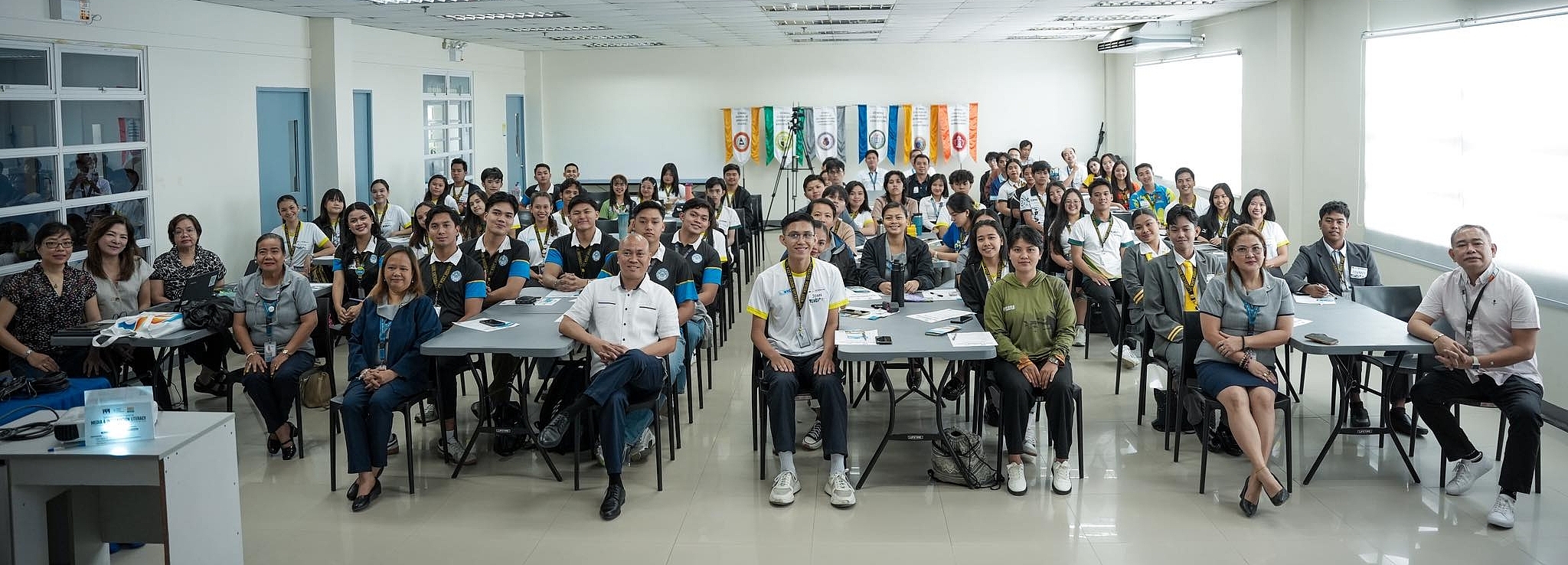
The event gathered more than eighty-five students and educators from STI West Negros University (STIWNU), La Consolacion College-Bacolod, and other regional institutions, with local coordination supported by a seasoned media practitioner affiliated with STIWNU’s faculty.
PPI
What are the challenges of verifying AI-crafted content in journalism and law? How can media practitioners ethically handle images and protect personal data in an increasingly digital world? These pressing questions framed deliberations at a two-day Media and Information Literacy seminar held recently in Bacolod City, representing the third event in the Philippine Press Institute’s (PPI) 2025 scholastic series of activities.
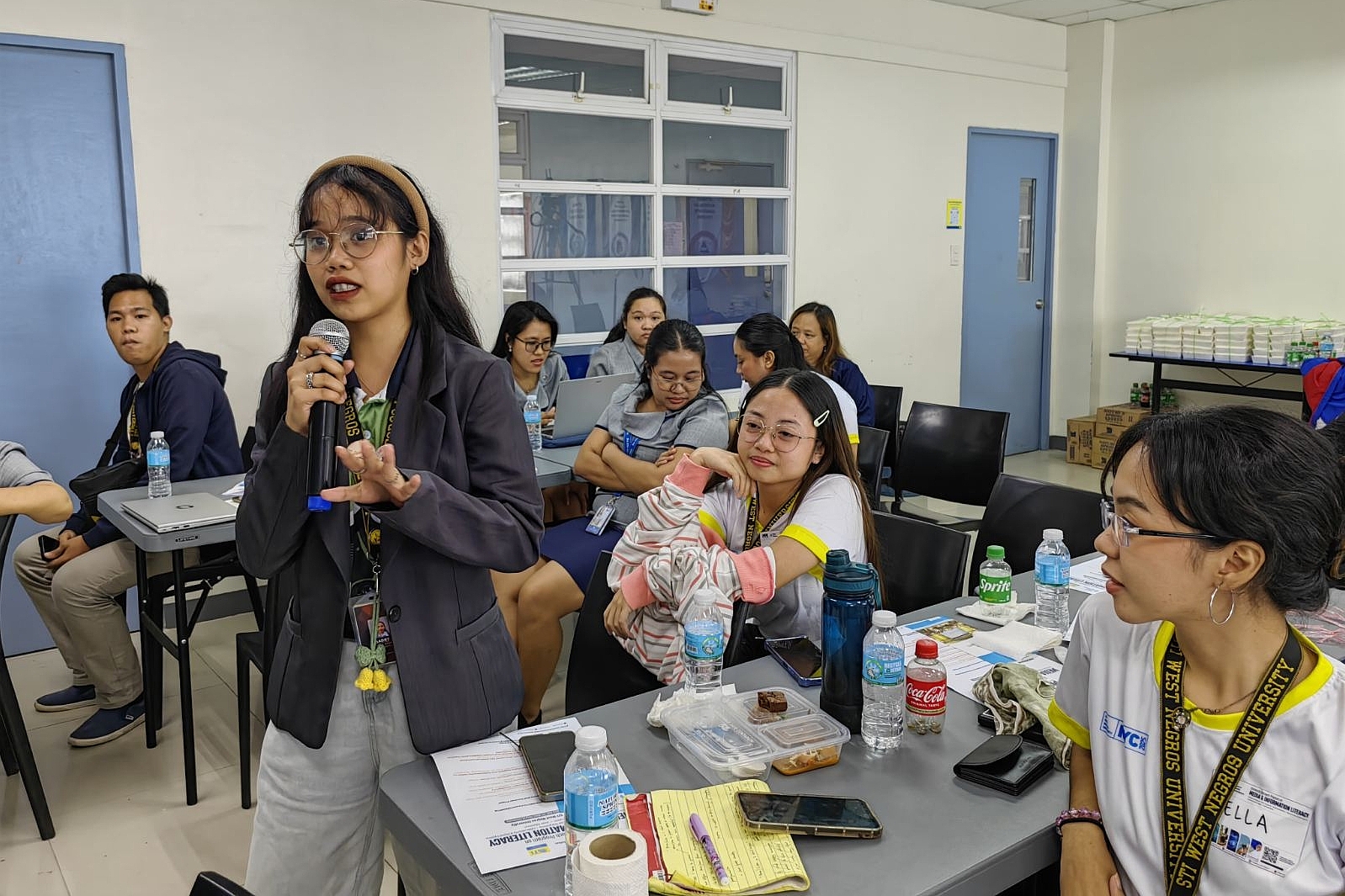
Participants engaged during the discussions
HSF
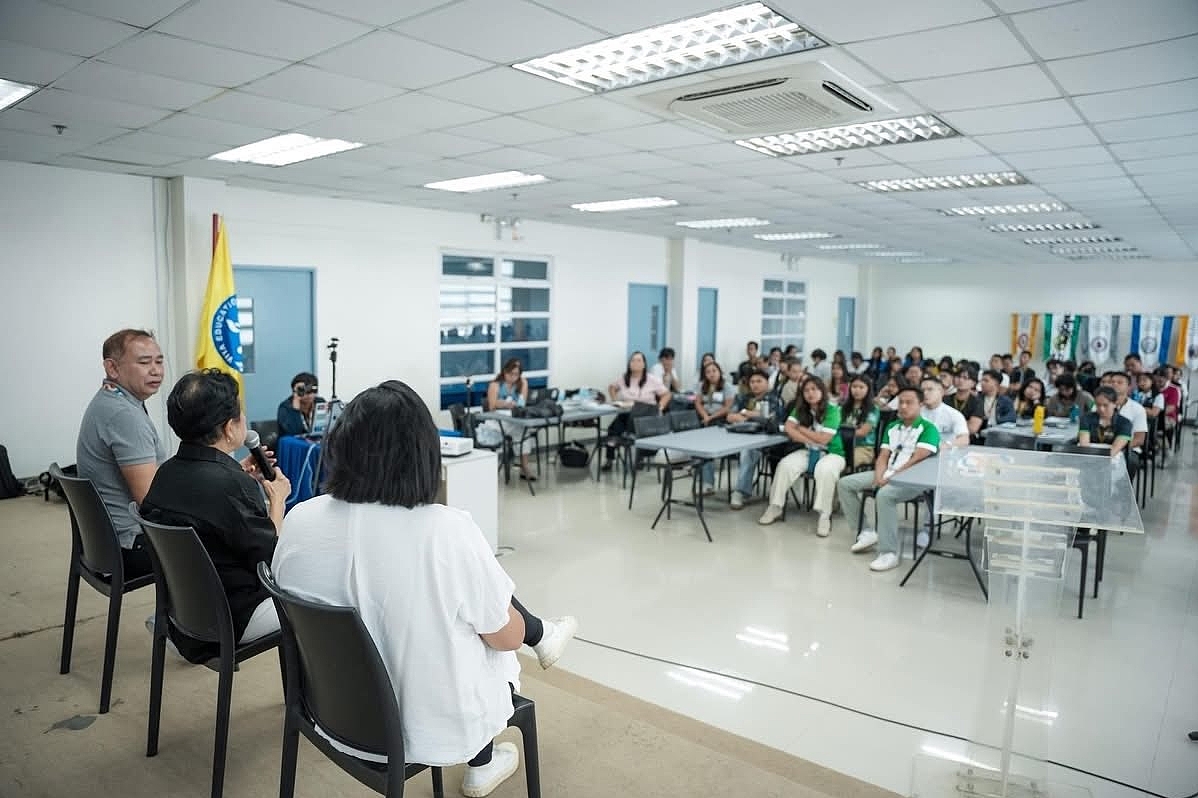
The event gathered more than eighty-five students and educators from STI West Negros University (STIWNU), La Consolacion College-Bacolod, and other regional institutions, with local coordination supported by a seasoned media practitioner affiliated with STIWNU’s faculty. Participants engaged in in-depth discussions centered on fact-checking techniques, AI’s transformative yet complex role in media, ethical standards in photojournalism -- particularly related to image permissions -- and contemporary cybersecurity measures such as virtual private networks (VPNs) to safeguard personal information.
Key concerns emerging from the seminar included the critical need for rigorous validation of AI-generated materials within both legal and media frameworks, safeguarding ethical integrity in media content, and adopting effective tools to ensure online security and privacy. These insights equip the next generation of media professionals to navigate digital complexities responsibly and uphold the highest standards of journalistic practice.
PPI
Looking ahead, participants highlighted several key areas for future training. These include deepening their understanding of electoral processes and civic responsibilities and improving fact-checking techniques and tools to fight misinformation. They are also interested in exploring documentary filmmaking as a method for media literacy and examining political ideologies and social issues for more informed reporting. Additionally, enhancing communication and journalism skills for ethical and effective storytelling is seen as essential. These priorities are vital to equip students and educators for the changing landscape of the media industry.
This scholastic seminar is the third of the PPI’s 2025 Scholastic Press Outreach Program on Media and Information Literacy. It was organised by the PPI in collaboration with the STIWNU and with support from the Hanns Seidel Foundation. The involvement from La Consolacion College-Bacolod helped ensure broad participation and local engagement, concluding a successful yearlong effort to strengthen media skills across diverse academic communities. Previous activities were conducted in Cagayan de Oro City in collaboration with the Xavier University-Ateneo de Cagayan and in Cabanatuan City, the Nueva Ecija University of Science and Technology. This seminar represents a significant milestone in the ongoing efforts to enhance media and information literacy. Building on the momentum generated, the partner organisations remain committed to supporting continuous learning and adapting to emerging challenges in the media landscape.