Regional Police Training Conference 2026
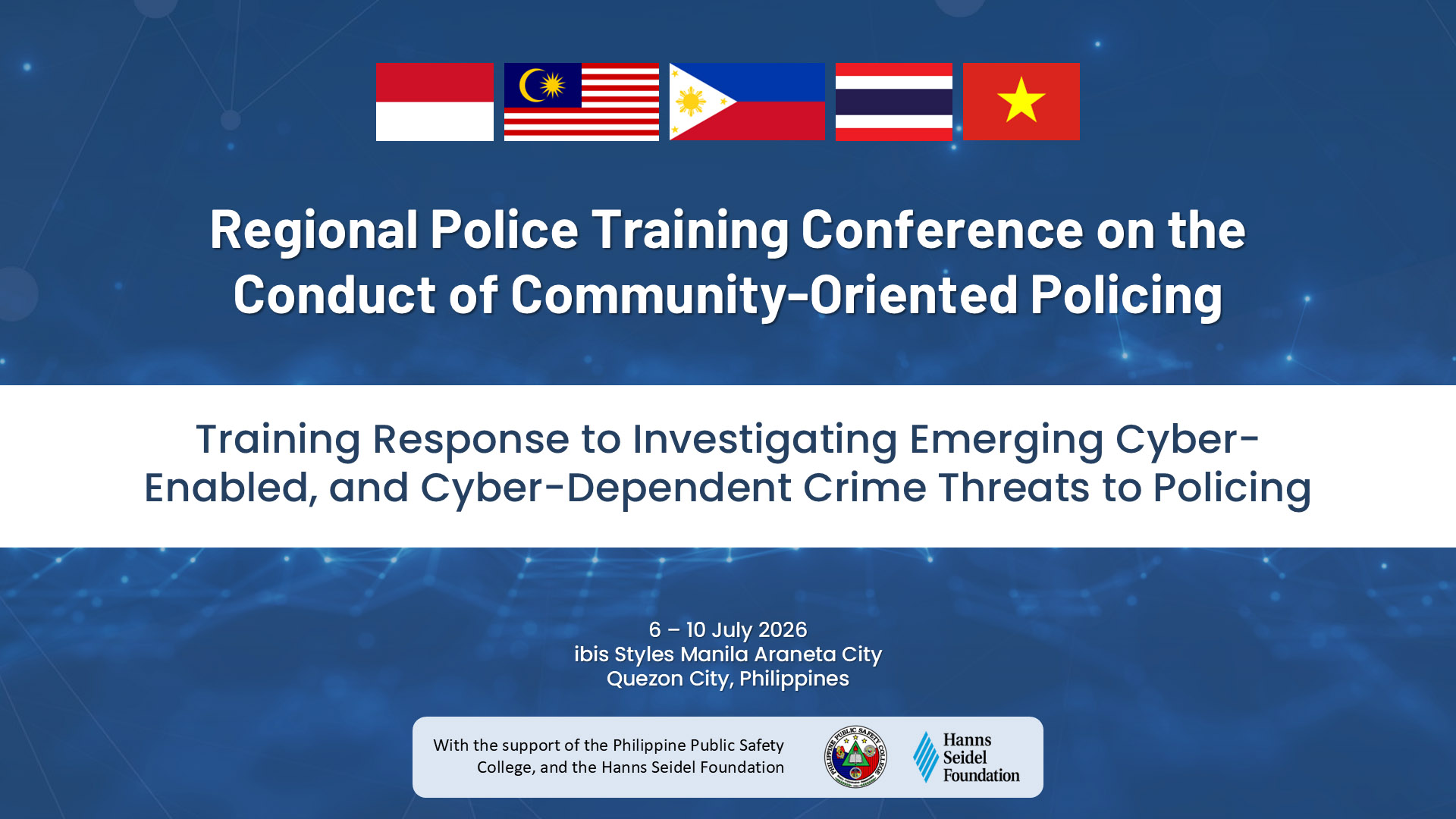
Regional Police Training Conference Strengthens Community-Oriented Policing and Cybercrime Response Capabilities of Police Officers

The three-day activity brought together senior police training and operation-based officials to exchange experiences, strategies, and best practices on strengthening community-oriented policing while equipping law enforcement agencies to meet the growing challenge of cyber- and cyber-enabled crime.
About the Conference
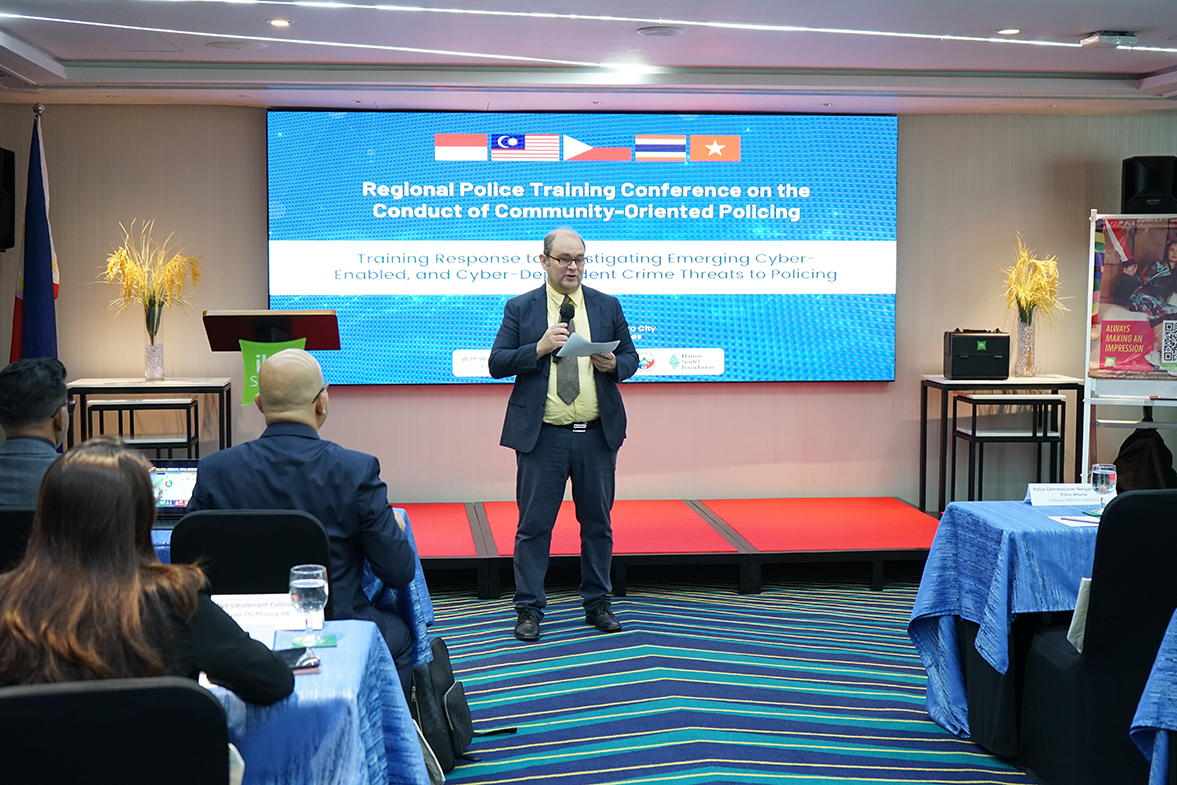
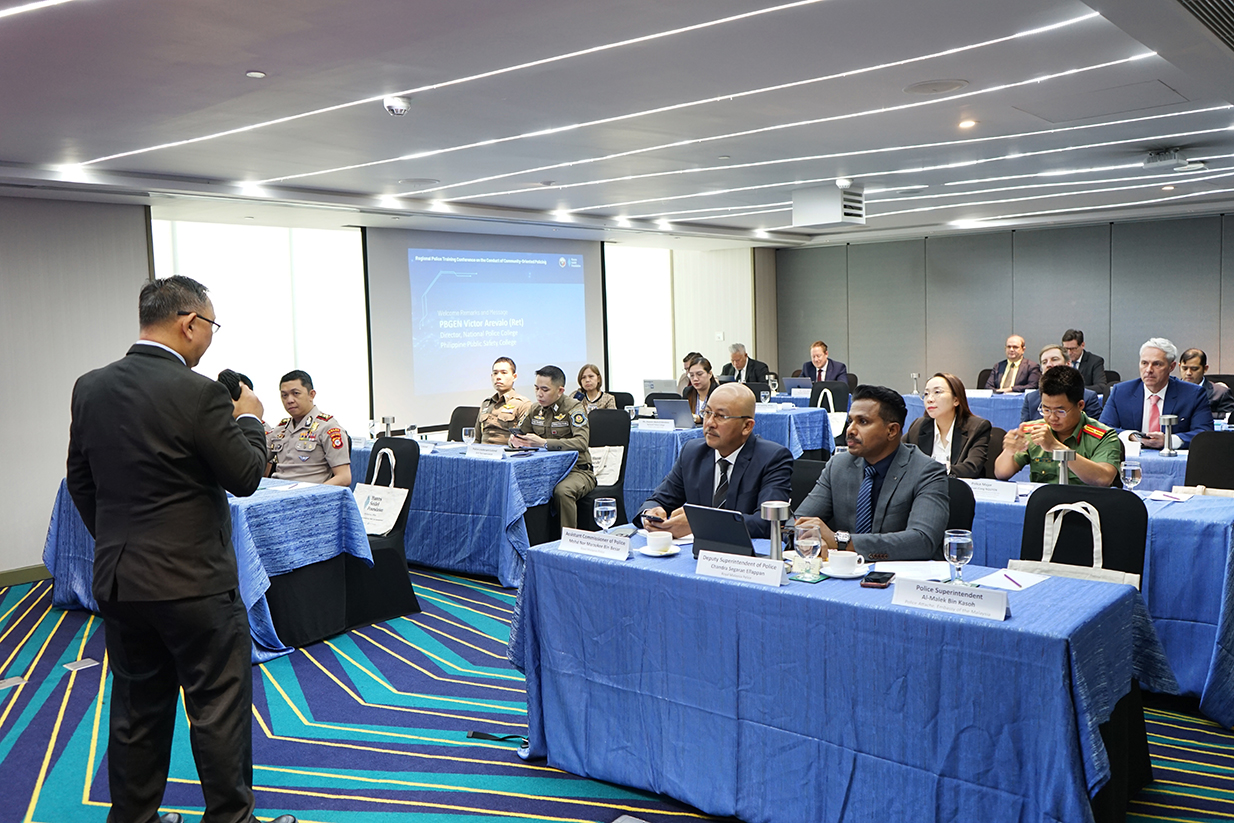
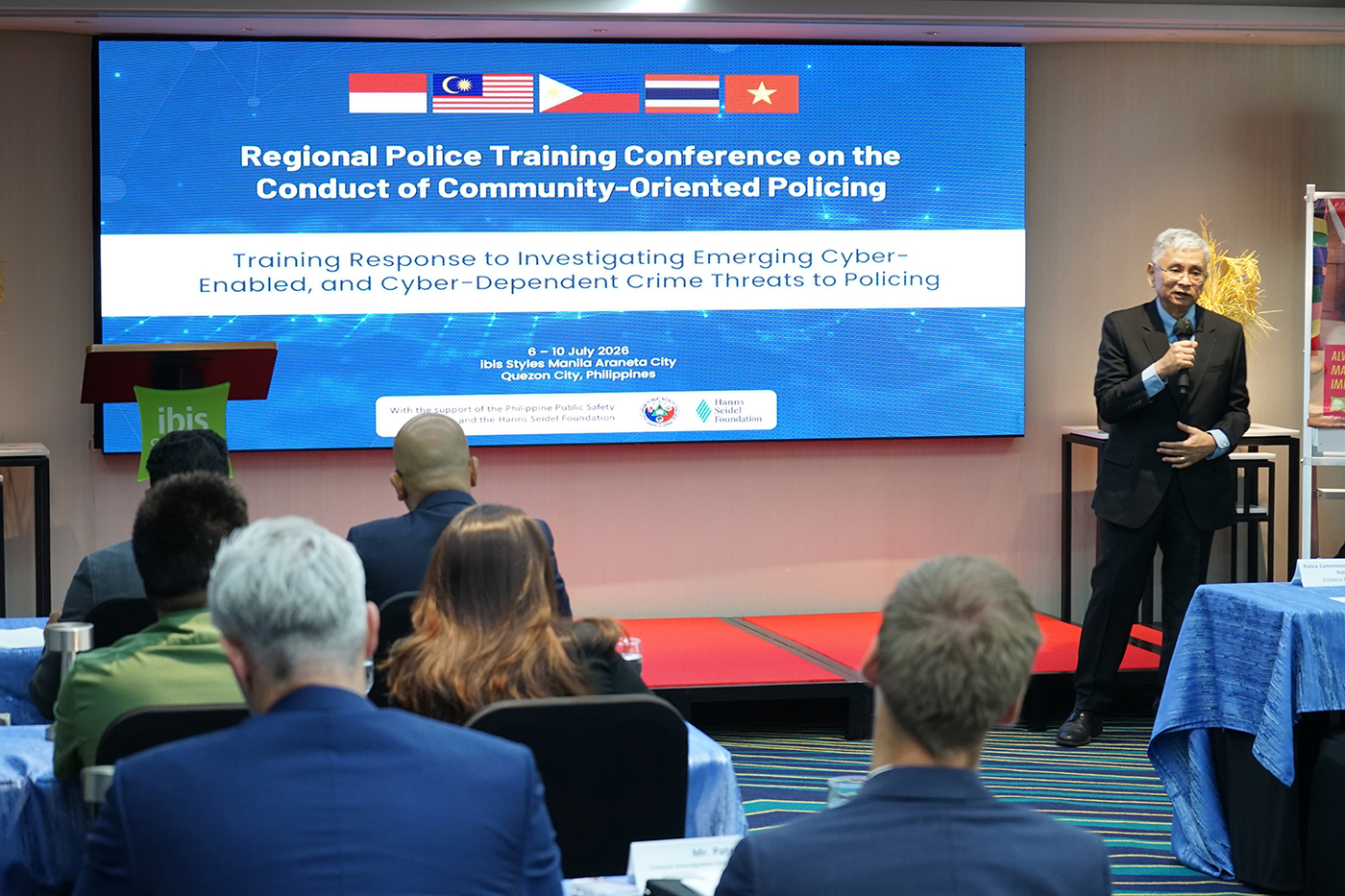
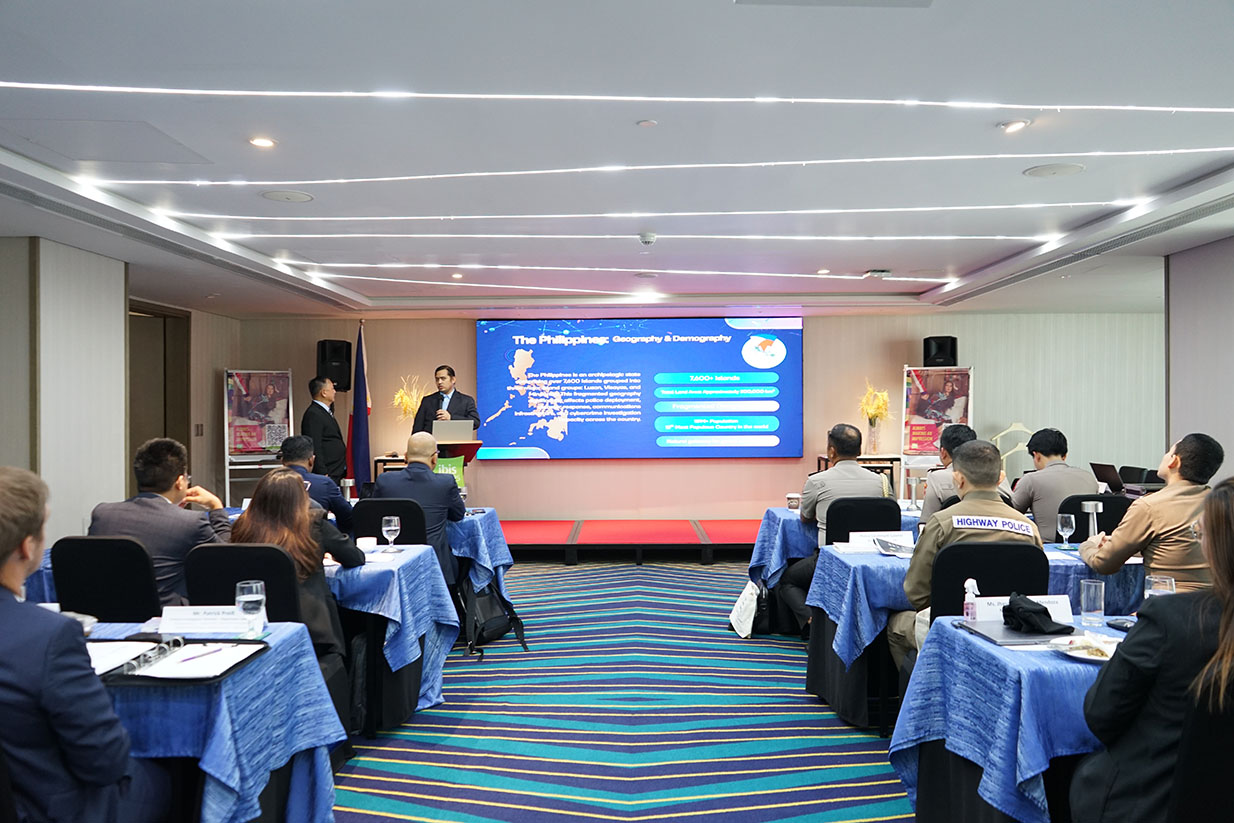
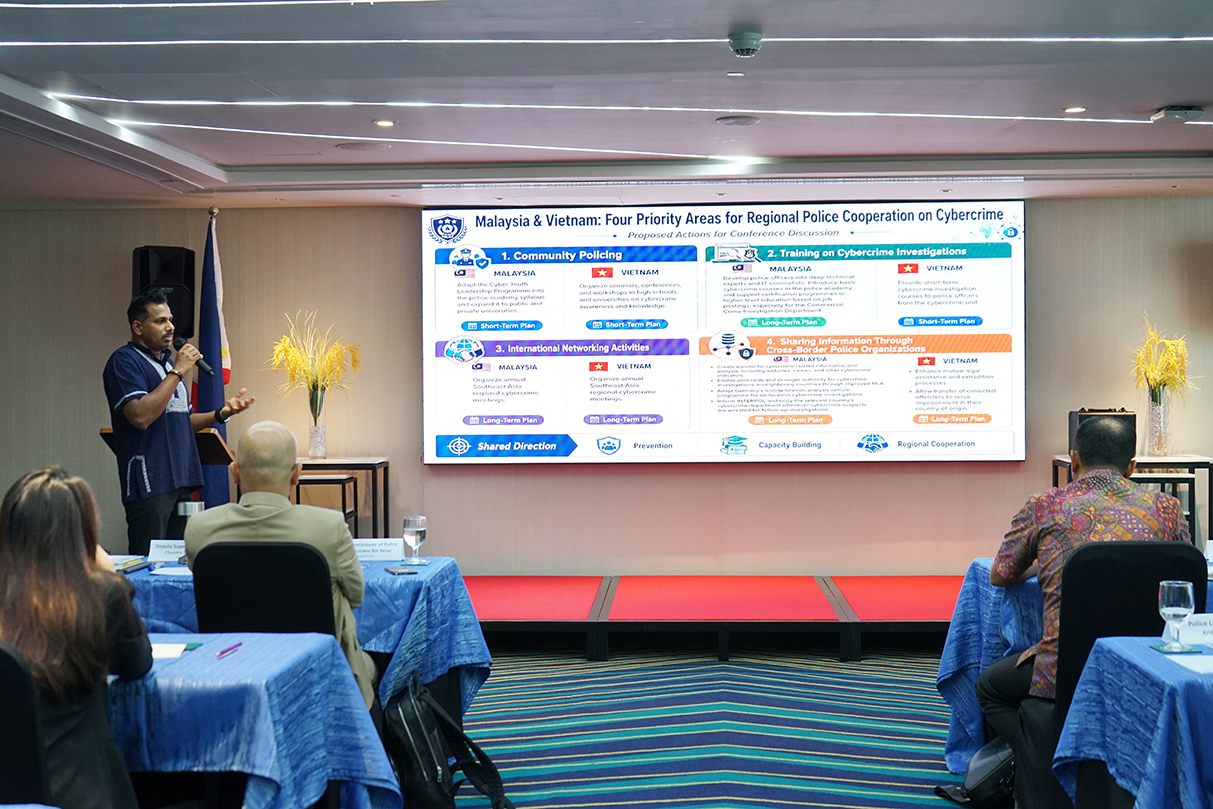
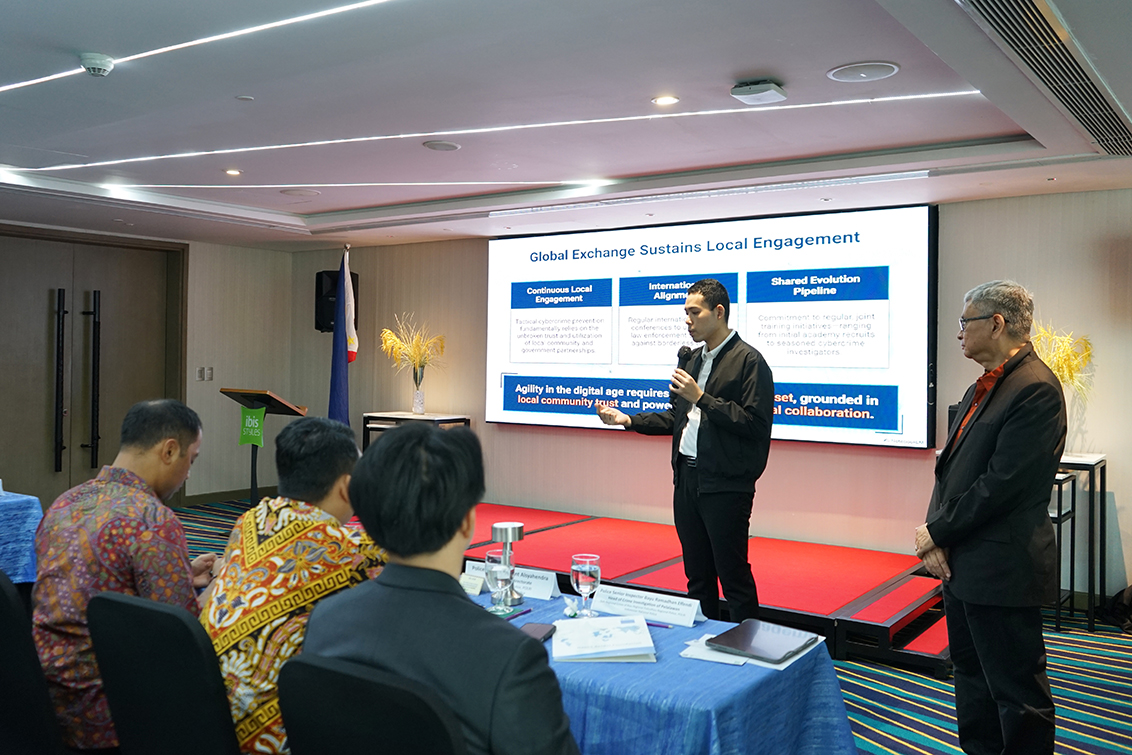
The conference served as a platform for participating police officials to present their respective organizations' training strategies and measures for promoting community-oriented policing, while also addressing the challenges and opportunities facing police investigation and training in response to cyber- and cybercrime threats. Delegations from each participating country jointly delivered presentations covering their national context, police force structure, community-oriented policing practices, and specific training responses to emerging cybercrime threats.

Police trainees demonstrated investigative procedures, evidence handling, application of legal principles, analytical thinking, and operational decision-making
HSF
The conference proper was conducted over two days, featuring country presentations, plenary discussions, and group workshops that facilitated the exchange of experiences and identification of common strategies to strengthen community-oriented policing and cybercrime investigation. On the third day, participants visited the Philippine Public Safety College (PPSC) – National Cybercrime Training Institute (NCTI) to observe a practical, case-based cybercrime training exercise. Through a realistic multi-stage scenario, police trainees demonstrated investigative procedures, evidence handling, application of legal principles, analytical thinking, and operational decision-making while instructors monitored performance, provided guidance, and conducted a comprehensive after-action review. The observation showcased the value of practical, scenario-based training in bridging classroom instruction with real-world police operations, equipping officers to effectively investigate emerging cyber-enabled and cyber-dependent crimes while upholding the principles of community-oriented policing.

The group workshops served as a platform for exchanging experiences and identifying common strategies to advance community‑oriented policing and reinforce cybercrime investigations
HSF
Expected Results
The conference was designed to generate concrete, actionable outputs for participating police organizations, addressing cyber-related data/system breaches, theft, interference and sabotage as these relate to the following:
- Common approaches to promoting community-oriented policing — in the conduct of training as well as in actual police investigation and operations — including coordinated responses to emerging threats posed by cyber- and cybercrime.
- Recommendations for refining and improving existing police training programs, particularly within the context of police investigation and responses to emerging cyber- and cybercrime threats.
These outputs are intended to serve as a foundation for the continued exchange of information among the network of participating police training organizations, providing guidance in the formulation of regional and country-specific policing strategies over time. Another facet of the conference was the informal networking among the participants. One delegation member offered specific contact information for other countries to verify identities and background of citizens of the delegate’s country. Two delegates talked about plans to share respective training syllabi of police cyber-crime training courses.
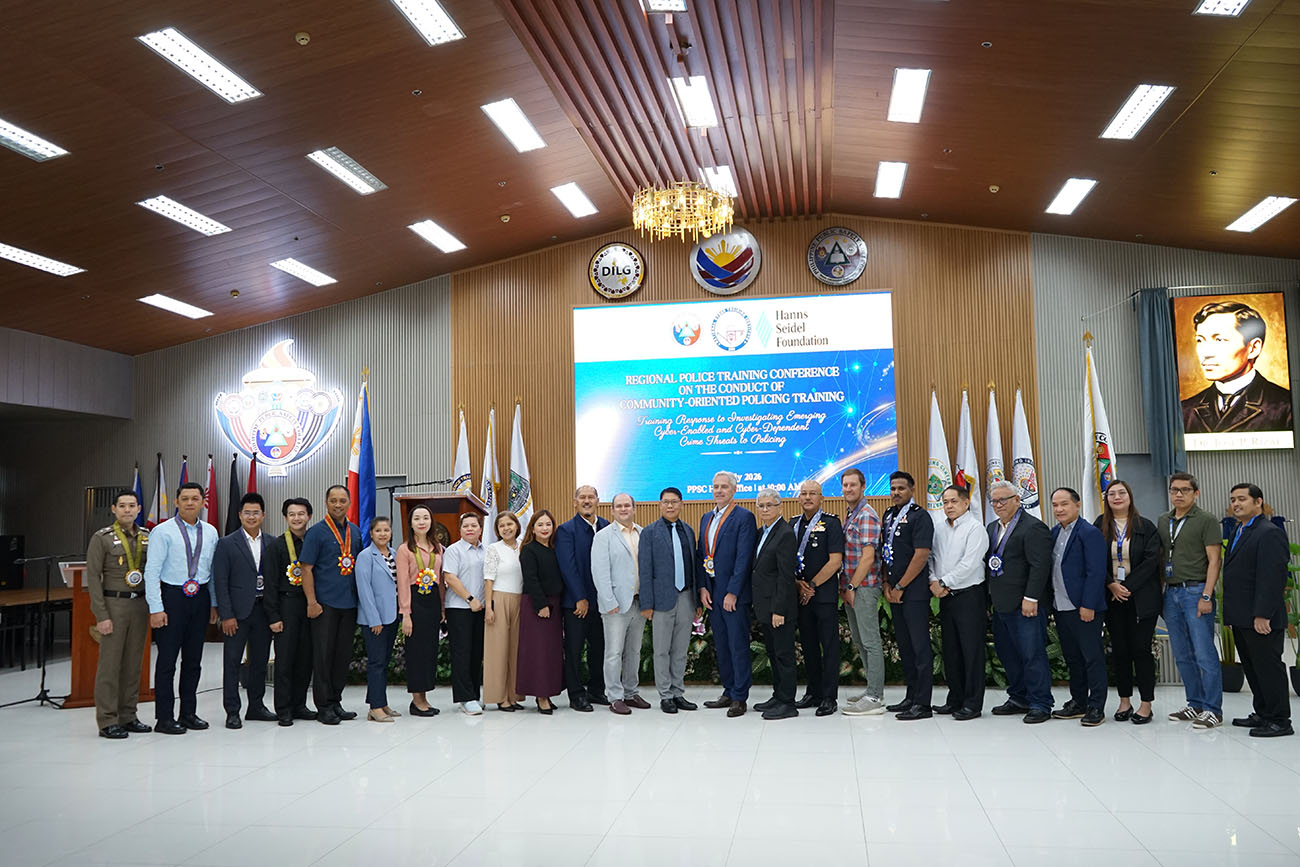
The participants visited the National Cybercrime Training Institute at the Philippine Public Safety College
HSF
Background: The Regional Dialogue Program
The conference was convened under the Regional Dialogue Program of the Hanns Seidel Foundation (HSF), which works with police agencies across the Southeast Asian region to promote dialogue and information exchange among national police training organizations. The program aims to develop common solutions to shared regional concerns and to promote good governance, respect for human rights, and adherence to the rule of law in police operations.
Since 2014, regional conferences held in Indonesia, the Philippines, and Thailand have provided a venue for exchanging ideas and experiences in incorporating practical, case-based training methods — informed in part by observations from police delegations who visited and studied training practices at the Bavarian Police Academy. In 2025, the most recent regional conference, held in Manila, turned focus toward raising awareness of police training concerns related to emerging cyber- and cybercrime threats — a focus this year's conference builds directly upon.

Delegates from the Bavarian Police
HSF
Promoting Community-Oriented Policing
Central to the conference is the shared philosophy that police must earn the trust of the communities they serve through community-oriented approaches to policing. HSF, in partnership with the Bavarian Police, has long promoted this training philosophy through delegation exchange visits and direct engagement by Bavarian Police training experts with local police training agencies across the region.
Previous conferences have focused on incorporating elements of the Bavarian Police's training philosophy — alongside universally accepted community-oriented policing principles — into practical training programs. Building on that foundation, the most recent activities have expanded this work to include the integration of cyber- and cybercrime response concerns into police training curricula.
Why This Matters
Years of collaborative training efforts among HSF and its country partner agencies have affirmed the effectiveness of community-oriented policing methods, both in training and in actual field operations. Participating officials have consistently valued the opportunity to learn how community-oriented policing is practiced differently across countries — shaped by each nation's unique social, cultural, religious, and legal context — and to share these experiences with colleagues from across the region.
Since 2025, this exchange has taken on added urgency as police forces work to address the rapidly evolving threats posed by cyber-enabled and cyber-dependent crime. Conference discussions tackled cyber-related data/system breaches, theft, interference and sabotage as described below:
Cyber-enabled crimes — traditional crimes such as phishing, financial fraud, identity theft, online exploitation, and cyberbullying, where technology amplifies or facilitates offenses that could otherwise occur without it.
Cyber-dependent crimes — so-called "pure" cybercrimes such as hacking, malware and ransomware deployment, and Distributed Denial of Service (DDoS) attacks, where technology serves as both the tool and the target of the offense.
Looking Ahead
As cyber- and cybercrime threats continue to evolve, this conference reinforces the value of sustained regional cooperation among police training institutions. Through continued dialogue, shared learning, and joint problem-solving, participating countries — together with the Bavarian Police and the Hanns Seidel Foundation — are building toward more standardized, resilient, and community-trusted approaches to policing across Southeast Asia.
Photo Gallery