
Ocean Accounting to strengthen ocean governance
International Conference on Building Bridges and Creating Pathways: Cross-Sectoral Collaboration for Ocean Accounts
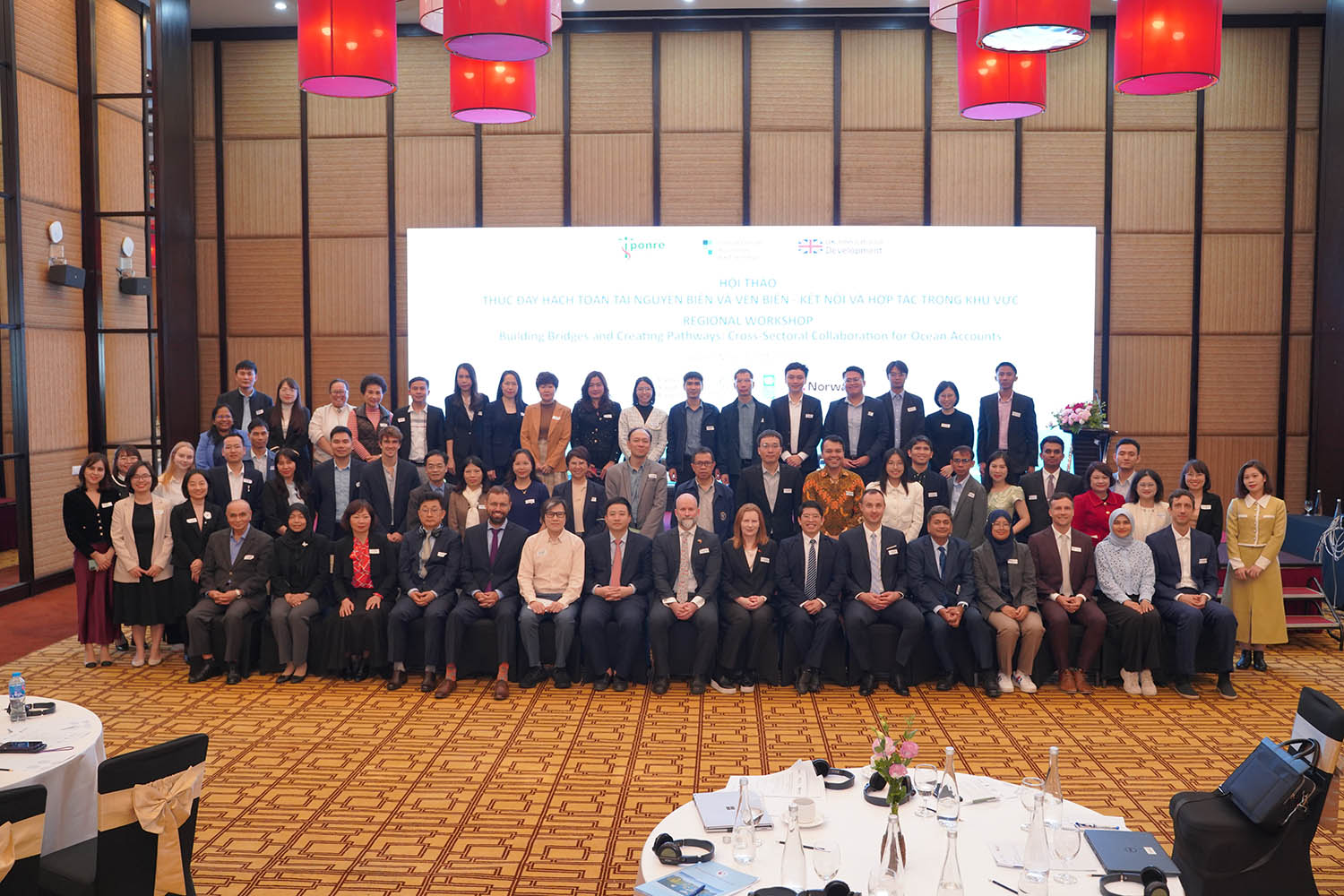
Recognising the crucial role the ocean plays in supporting economic prosperity, social well-being, and ecological resilience across South and Southeast Asia, participants from governments, research institutions, multilateral organisations, and civil society came together in Ha Long, Vietnam, for the Regional Conference on Building Bridges and Creating Pathways: Cross-Sectoral Collaboration for Ocean Accounts.
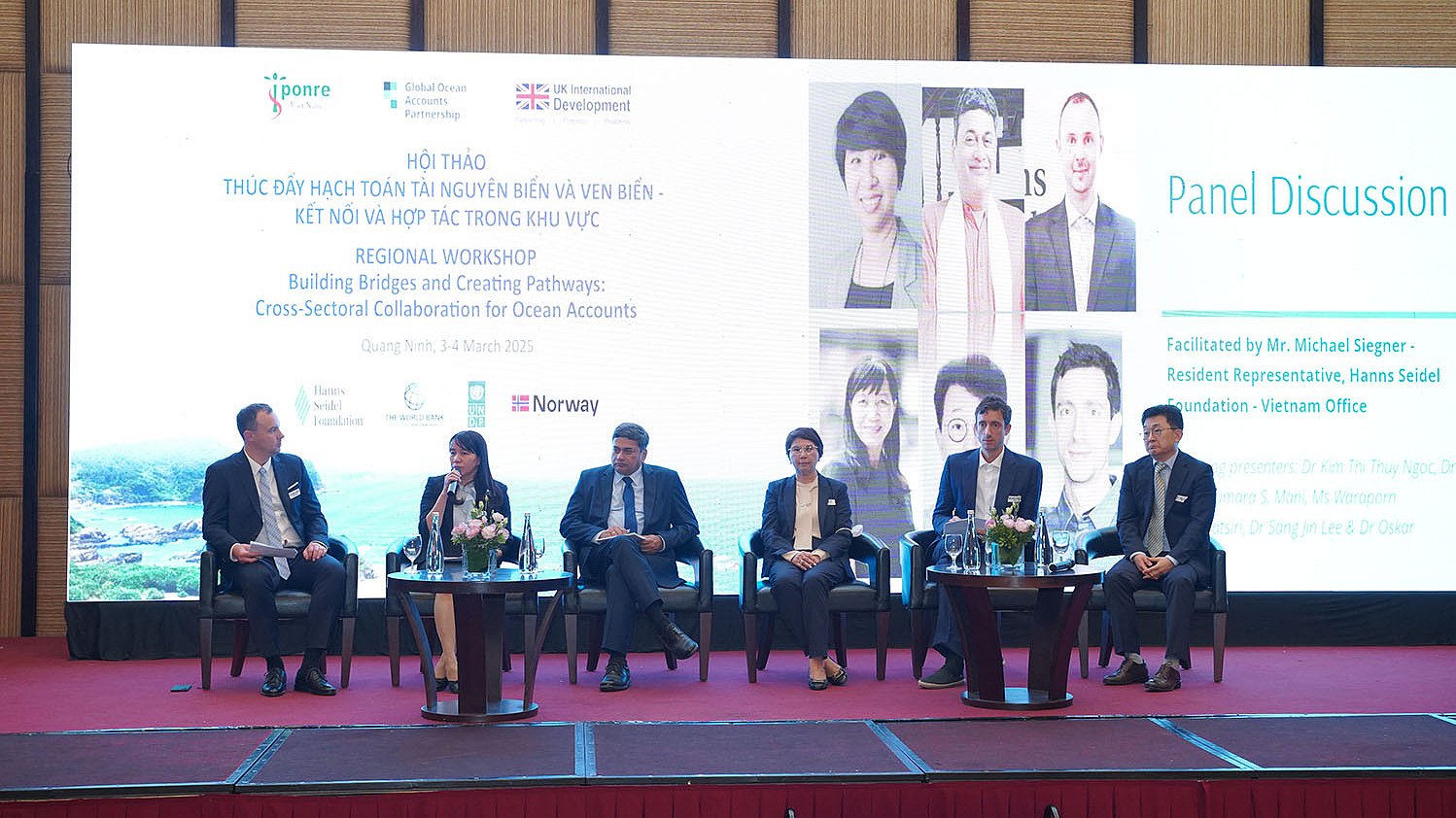
Panel discussions on potential multilateral collaborations among stakeholders in the Pacific region
HSF
The conference emphasised the significance of integrating Ocean Accounts into national decision-making in order to strengthen ocean governance. Delegates highlighted the necessity for comprehensive and standardised data systems that capture the true value of coastal and marine ecosystems, moving beyond traditional economic measures. Such integration is seen as a means to promote balanced development, social cohesion, and environmental sustainability.
Several challenges were acknowledged, including fragmented data, limited resources, and the need for enhanced institutional coordination. The discussions focused on how Ocean Accounting could serve as a tool to address these obstacles and advance sustainable ocean development across three key priority areas.

Group work on ocean finance and governance
HSF
First, strengthening regional collaboration and standardisation was identified as essential. Closer cooperation across South and Southeast Asia could enable harmonised approaches to Ocean Accounting, particularly in relation to ocean finance and governance. The establishment of a regional Community of Practice on Ocean Accounting, Finance, and Governance—supported by the Global Ocean Accounts Partnership (GOAP) and other partners—was encouraged. This community would facilitate the exchange of experience, co-development of solutions, and alignment with international statistical standards, including the System of National Accounts (SNA), the System of Environmental-Economic Accounting (SEEA), and GOAP’s technical guidance. Regular virtual working groups could be convened to address thematic topics such as coastal development, finance mobilisation, biodiversity conservation, pollution management, and tracking progress toward shared commitments.
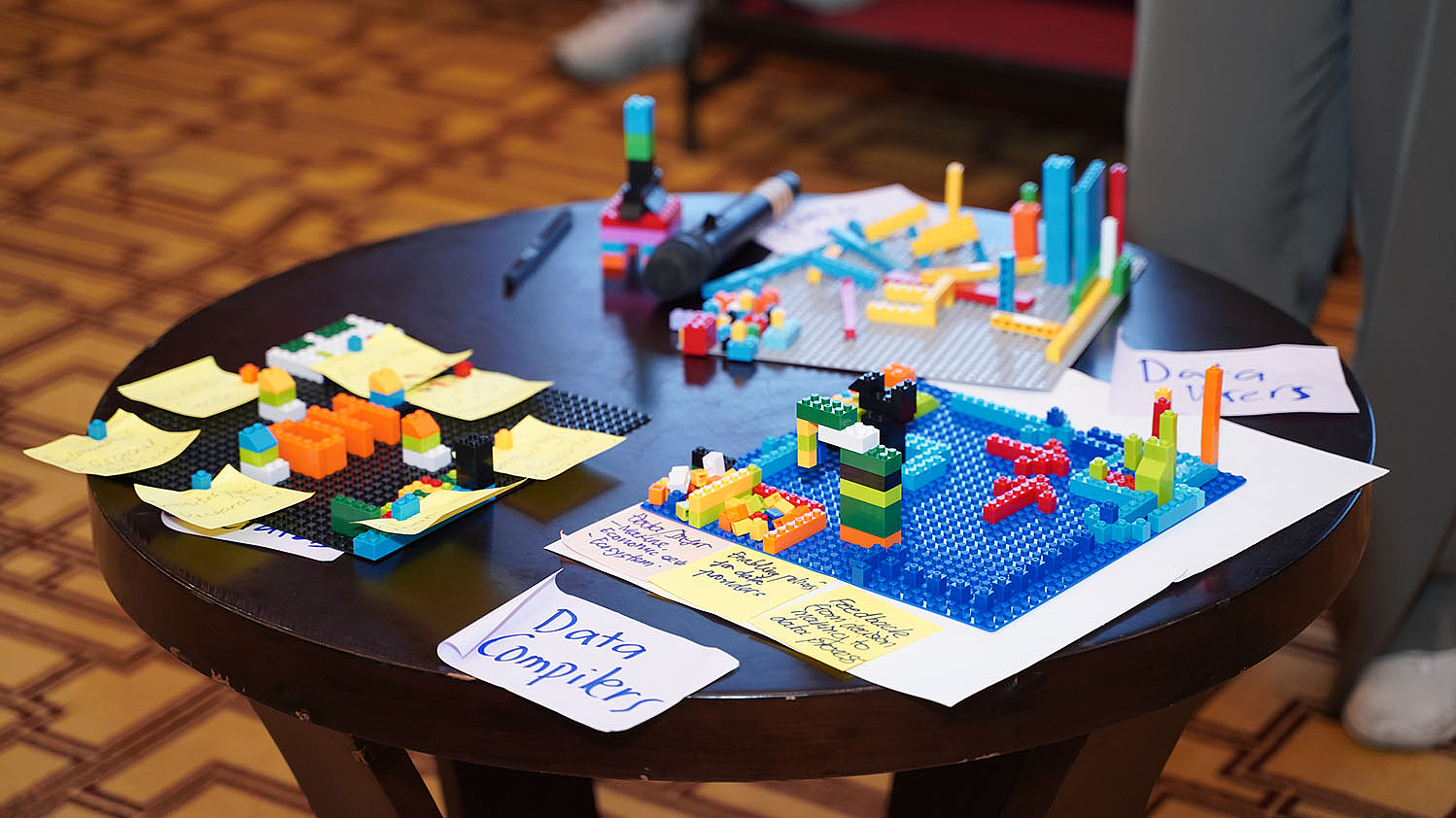
Group work on stimulating data collection for ocean accounts in Southeast countries
HSF
Second, the mobilisation of sustainable finance for blue economy initiatives was seen as a priority. It was noted that SDG 14 (Life Below Water) remains the least funded Sustainable Development Goal, underscoring a significant gap in financing for sustainable ocean development. Ocean Accounts can serve as tools to support innovative financing mechanisms, facilitate public-private partnerships, and provide reliable indicators for investment decisions and transparency. Collaboration with public development banks, regional financial institutions, and investors could unlock greater funding for marine sustainability, fisheries management, plastic waste reduction, and climate resilience projects.
Third, the advancement of data infrastructure and digital integration was highlighted. Data fragmentation and accessibility issues were recognised as major barriers to effective ocean governance, pointing to the need for shared digital standards and open platforms. Developing interoperable, open-source data infrastructure for Ocean Accounting could help unify information from government, industry, and research sectors. This would enhance marine spatial planning, pollution management, disaster response, and monitoring investments in blue economy initiatives. Building capacity and offering formal training on data management and ocean accounting would ensure that all stakeholders are equipped to use this information for governance and investment decisions.
HSF Vietnam reaffirms our commitment to supporting our counterpart, ISPAE, in advancing the integration of Ocean Accounting into national and regional governance frameworks. We believe that Ocean Accounting is a vital tool to guide evidence-based policymaking and strengthen sustainable ocean governance. Through continued collaboration, particularly in enhancing regional cooperation, mobilizing sustainable finance, and improving data systems, the region can lay the groundwork for a ocean governance that is inclusive, resilient, and environmentally sound.