
The importance of collective action in addressing climate change
Hanns Seidel Foundation participates with Indonesian Ministry of Environment and Forestry at UNFCCC COP 29
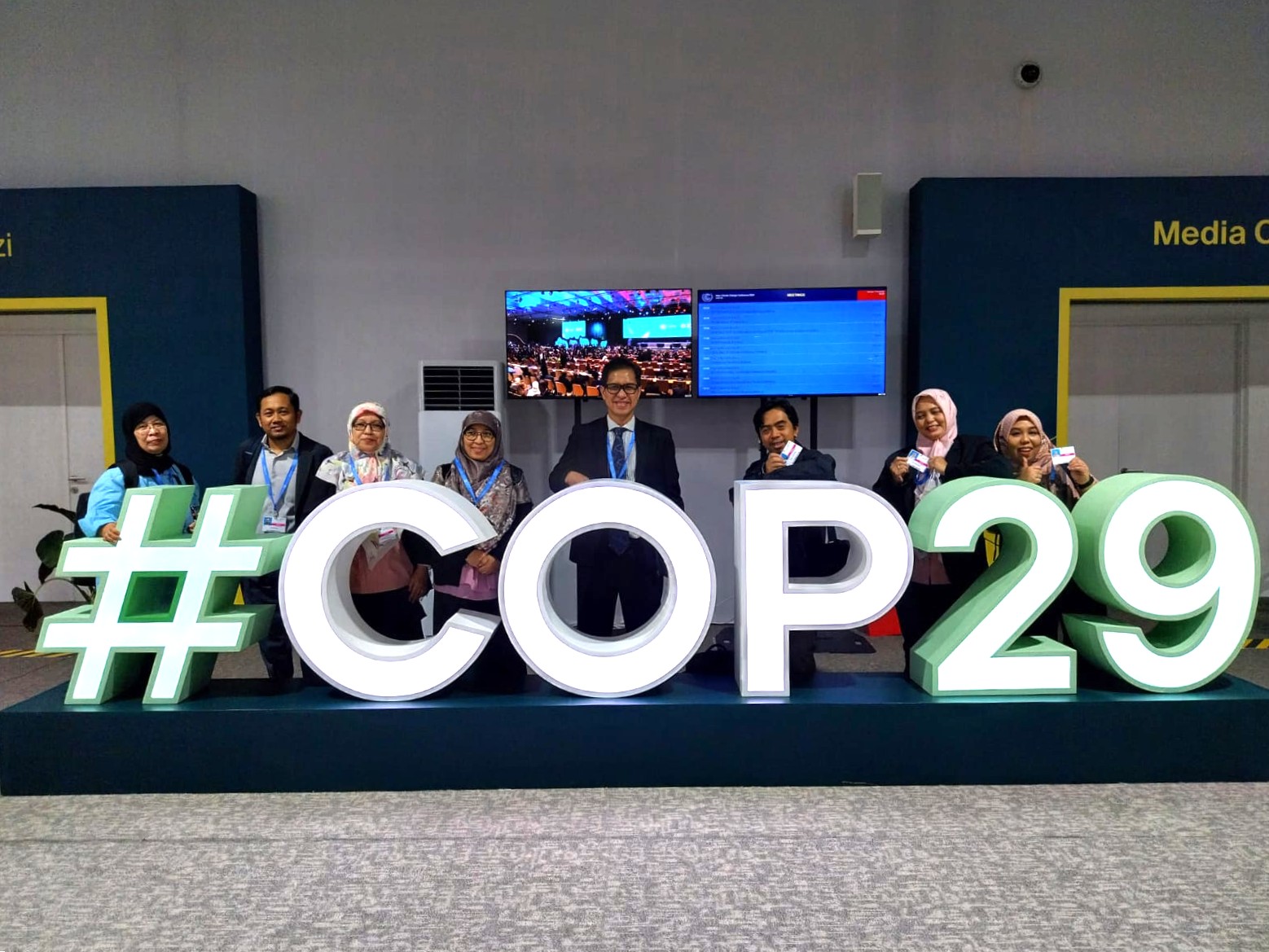
Indonesian negotiator team on issues related to adaptation of climate change
Baku Climate Unity Pact: A Beacon of Hope
One of the key outcomes of COP 29 was the adoption of the Baku Climate Unity Pact. This landmark agreement promises substantial financial support for climate actions in developing countries, focusing on advancing Nationally Determined Contributions (NDCs). The pact also included the establishment of the Loss and Damage Fund Agenda to assist countries most vulnerable to climate change impacts.
Additionally, the conference marked progress on Article 6 of the Paris Agreement, which aims to facilitate international cooperation and enhance mechanisms for implementing climate actions.
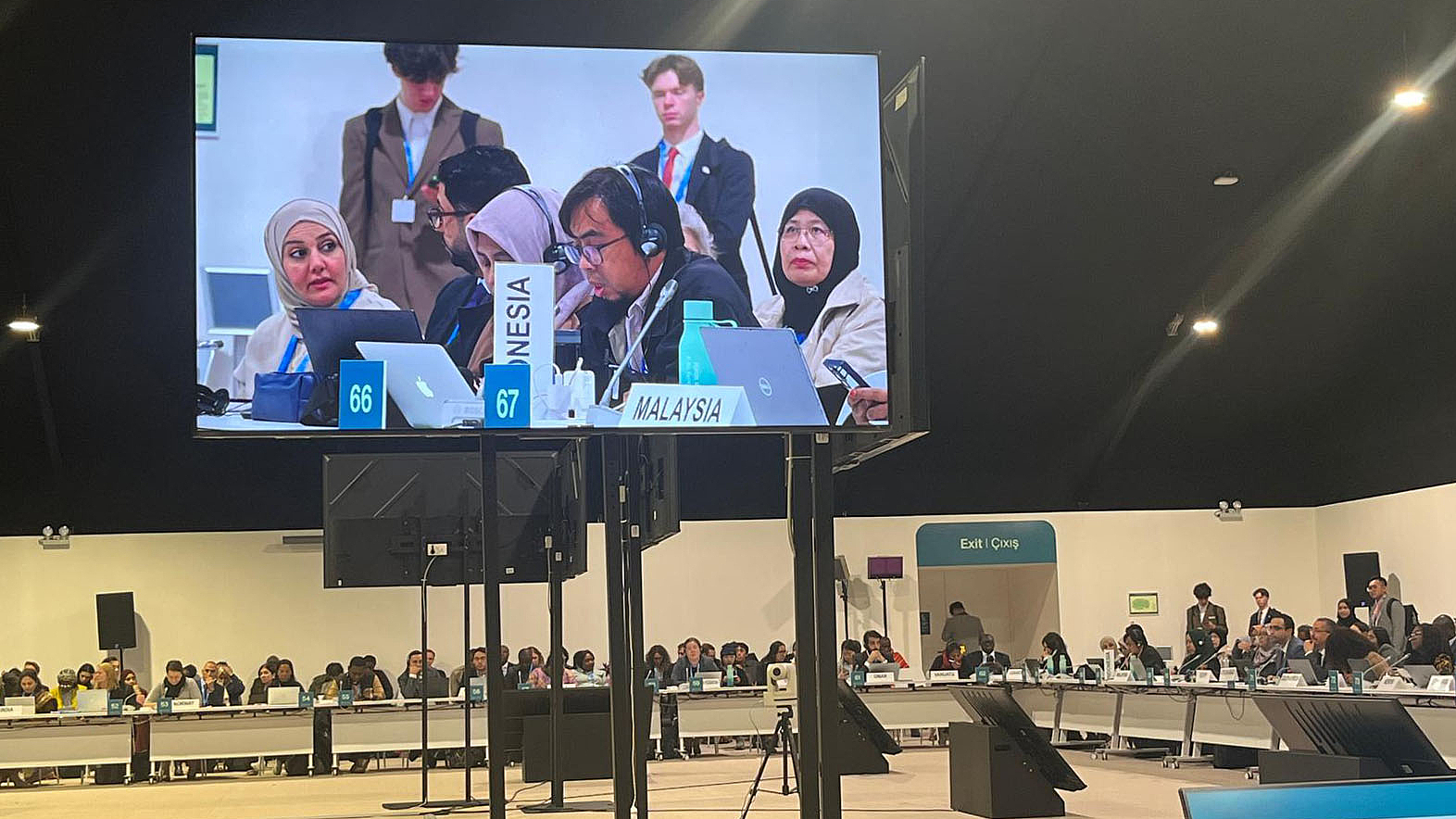
Indonesian negotiators, supported by HSF, involved in negotiation process on issues related to adaptation of climate change
HSF
Indonesia's Contributions to COP 29
As a developing country highly vulnerable to climate impacts, Indonesia presented ambitious climate initiatives at COP 29. Key areas of focus included integrating ocean-based actions into NDCs and emphasizing the critical relationship between oceans and climate. Indonesia outlined its plans to:
- Develop power plants utilizing 75% renewable energy, alongside nuclear and coal-free natural power plants.
- Implement carbon capture and storage programs.
- Phase down coal-fired power plants.
- Undertake extensive reforestation efforts.
Role of the Hanns Seidel Foundation
The Hanns Seidel Foundation (HSF) supported Indonesia's participation in COP 29 by collaborating with the Ministry of Environment and Forestry. Two negotiators, backed by HSF, contributed to discussions on adaptation issues, including the Loss and Damage Fund, the National Adaptation Plan, and the Global Goal on Adaptation.
HSF's work aligns with Indonesia's climate goals, assisting provinces and cities in preparing Regional Adaptation Action Plans (RADs) to meet NDC targets. RADs for Pangkajene Sub-District, South Kalimantan Province, South Sumatra Province, and Bali Province are set to be integrated into the Regional Mid-Term Development Plan (RPJMD) 2025-2045.
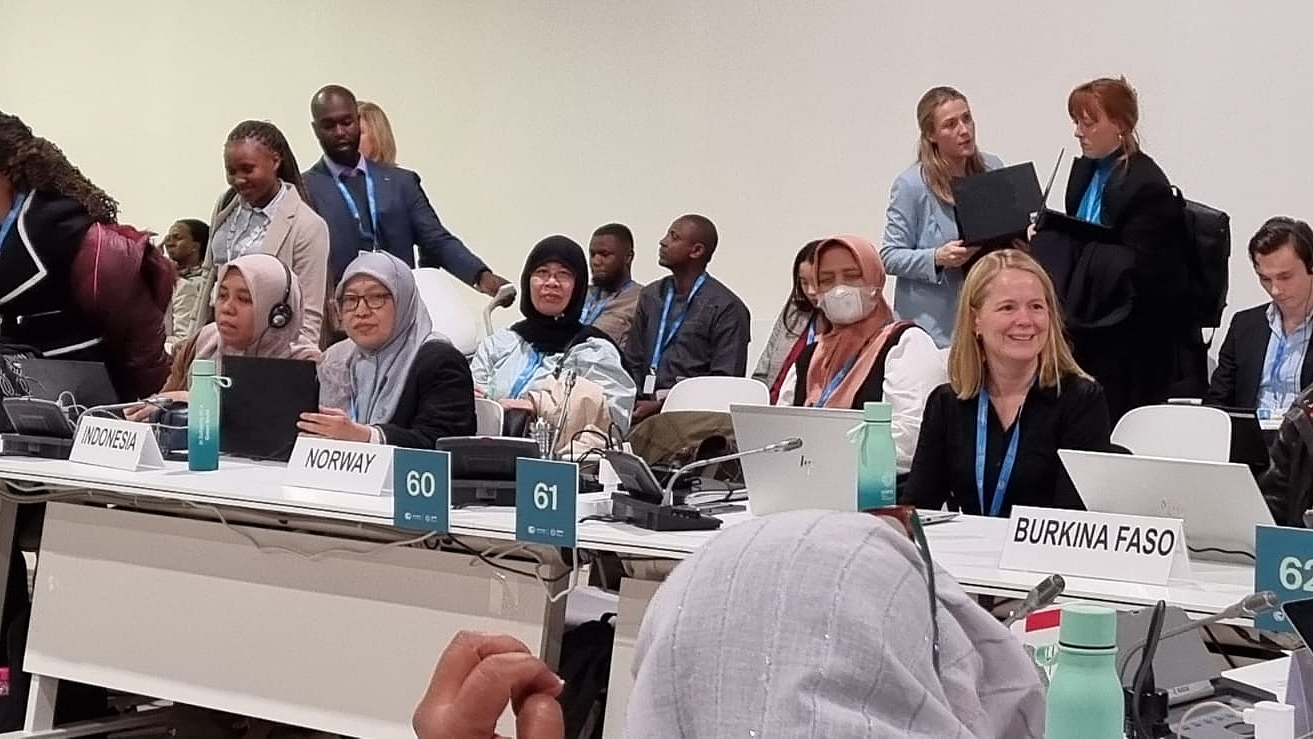
Indonesian negotiators, supported by HSF, involved in negotiation process on issues related to adaptation of climate change
HSF
A Collaborative Effort
Indonesia's delegation to COP 29 comprised 42 negotiators who actively participated in forums to showcase the nation's commitment to climate action. The Indonesian government also facilitated 44 showcases of successful climate change mitigation and adaptation efforts, involving contributions from government bodies, universities, NGOs, and corporations. These efforts engaged 215 international and national experts.
Additionally, Indonesia established bilateral cooperation with strategic partners, launching initiatives such as a mutual recognition arrangement for carbon trading, enhanced forest monitoring systems, and voluntary carbon market methodologies.
Looking Ahead
COP 29 underscored the importance of collective action in addressing climate change. As nations work to implement the outcomes of the conference, the progress made in Baku may enable further global collaboration and innovation in climate action.