
Media Literacy Outreach: Cabanatuan
Expanding Media Literacy and Digital Skills at Nueva Ecija University
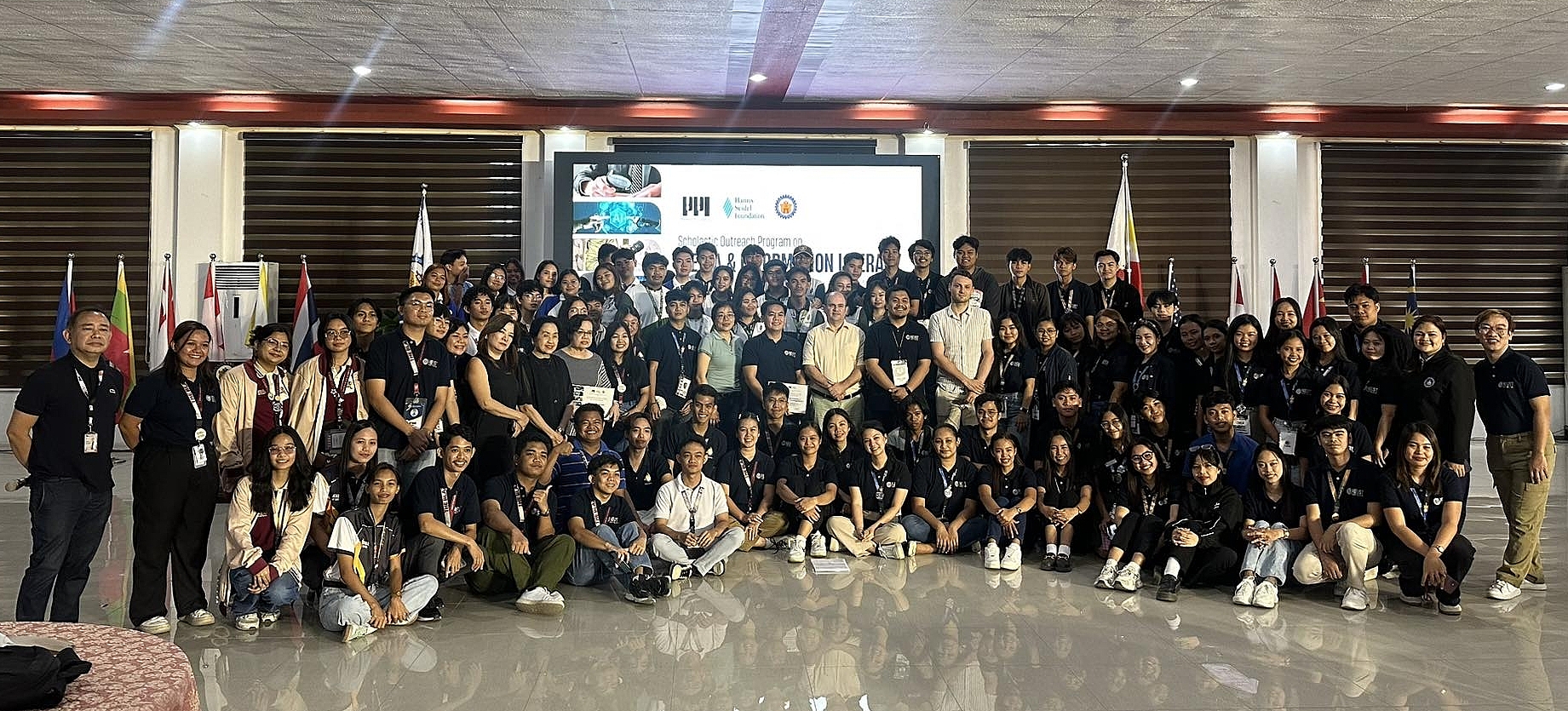
90 students, educators, and campus journalists reflected deeply on the evolving challenges and responsibilities in media today
HSF
What does it mean to use AI ethically in journalism? How can fact-checking serve as a frontline defense against misinformation in an increasingly digital world? These questions set the tone for a two-day Media and Information Literacy seminar held in Cabanatuan City, where 90 students, educators, and campus journalists reflected deeply on the evolving challenges and responsibilities in media today.
Hosted by the Nueva Ecija University of Science and Technology (NEUST) Sumacab Campus, the seminar attracted participants from various campuses of NEUST, along with Core Gateway College, Gapan City College, and Wesleyan University-Philippines. Student publications represented included The Blaze, Anihan, The Boulders, De Calibre, Papyrus, The Wheel, Genrè, I-Core, and The Shepherdess, highlighting the diverse voices engaged in the discussions.
Central themes in the seminar included fact-checking methods, the impact of AI innovations on journalism, ethical practices in photojournalism, and measures to safeguard cybersecurity. A persistent topic throughout the sessions was accountability -- emphasising that every individual must take responsibility for their conduct in the digital realm. Grasping these concepts helps strengthen critical thinking and prepares participants to engage thoughtfully with the fast-evolving media environment.
Common concerns raised involved the pitfalls of unchecked AI-generated content, the imperative of verifying information before circulation, and growing digital threats such as phishing and hacking. These concerns underscore an acute awareness amongst participants of the need to balance technological progress with firm ethical standards and personal accountability.
Looking ahead, participants expressed strong interest in further learning opportunities focused on combating misinformation through fact-checking and media analysis, deepening their understanding of digital ethics, enhancing cybersecurity awareness, and exploring AI’s influence on journalism. They regarded these areas as vital for their professional development and preparedness in today’s evolving media landscape. They also requested future activities to include topics such as teenage pregnancy education, investigative reporting skills, and staying informed on local current.
This scholastic seminar is the second in the Philippine Press Institute’s (PPI) 2025 Scholastic Press Outreach Program on Media and Information Literacy. It was organised by the PPI in collaboration with the NEUST and with support from the Hanns Seidel Foundation. The involvement of NEUST’s multiple campuses enabled broad participation and enhanced the reach of this capacity-building effort. A previous activity was held in Cagayan de Oro City, in collaboration with Xavier University-Ateneo de Cagayan. This seminar represents a significant milestone in the ongoing efforts to strengthen media and information literacy. A next activity is planned in the Visayas, promising to build on the momentum generated. The partner organisations remain committed to fostering continuous learning and adapting to emerging challenges in the media landscape.