
Former Scholars’ 2025 Nachkontaktkonferenz
Cross-Continental Electoral Reflections: Former Scholars Discuss Germany and Philippines Political Shifts
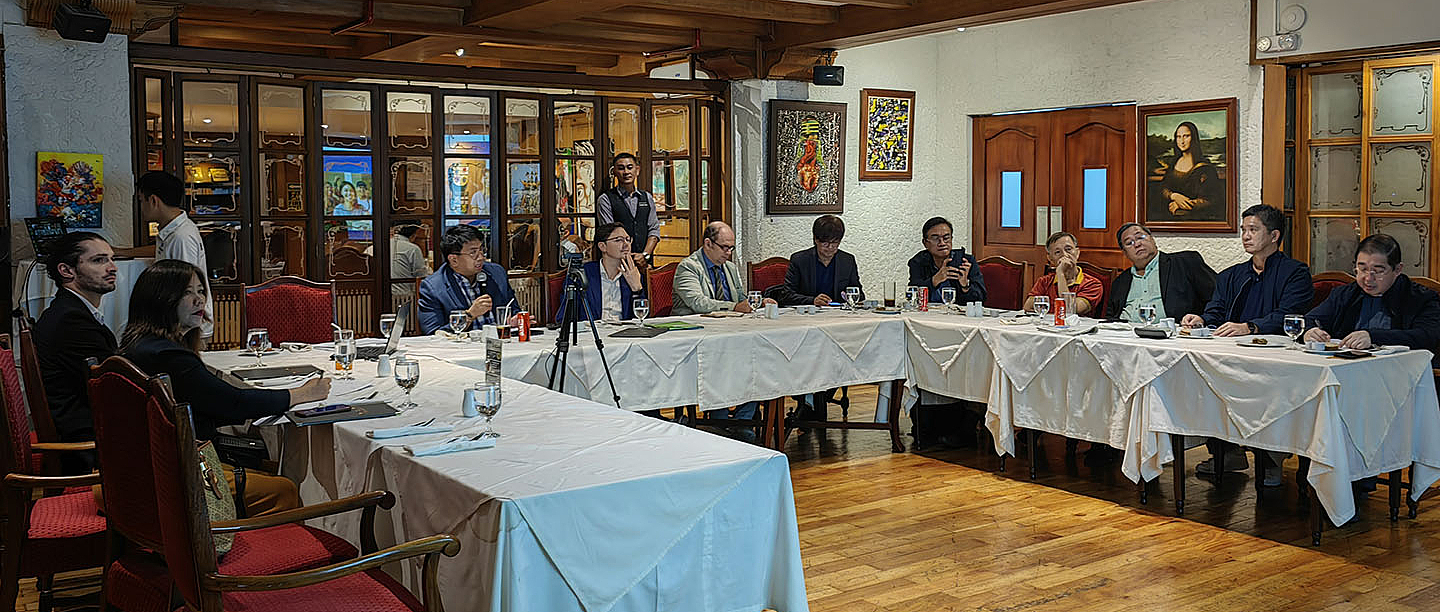
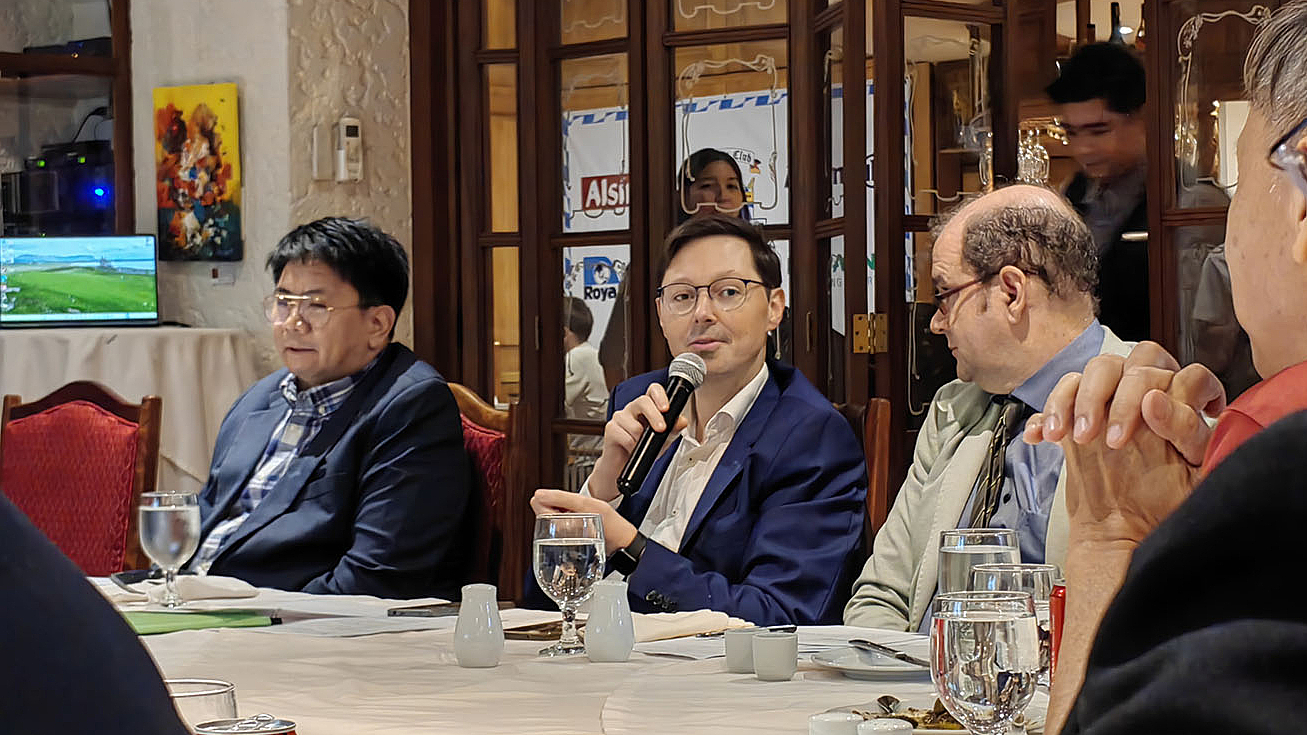
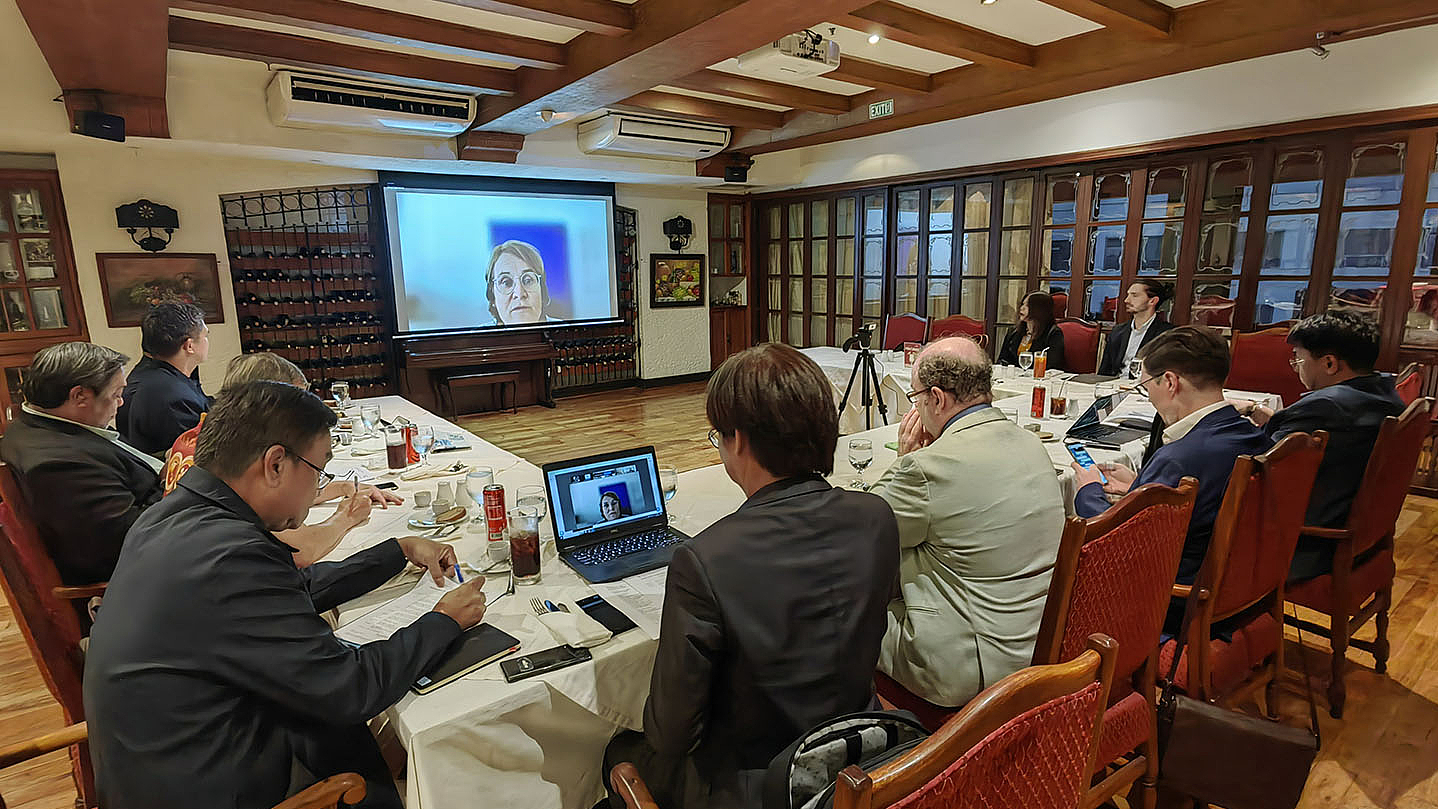
Twelve former scholars of the Hanns Seidel Foundation from the Philippines, along with eleven current scholars based in Germany, participated in, “Bridging Insights: Germany Elections and Philippine May 12 Mid-Terms,” a hybrid Nachkontakkonferenz held in Makati City on 24 June 2025. The conference conducted a comparative analysis of the 2025 German federal election (Bundestagswahl 2025) held on February 23 to elect members of the 21st Bundestag and the midterm elections held in the Republic of the Philippines on May 12, 2025.
HSF
HSF
The 2025 German federal election was a snap election held on February 23, triggered by the collapse of Chancellor Olaf Scholz’s coalition government in late 2024. With a record turnout of 83.5%, the conservative Christian Democratic Union/Christian Social Union (CDU/CSU) led by Friedrich Merz won the most votes at 28.5%, while the right-wing Alternative for Germany (AfD) doubled its share to 20.8%. The election reshaped the German federal parliament’s (Bundestag) composition amid economic and immigration concerns, setting the stage for complex coalition talks.
In May 12, 2025, the Republic of the Philippines held its midterm elections as part of the 2025 Philippine general election. Taking place halfway through President Ferdinand “Bongbong” Marcos’s term, the elections filled all 317 seats in the House of Representatives and 12 of the 24 Senate seats, alongside local executive and legislative posts nationwide.
Marked by a record-high turnout of 82.2%, the midterms reflected critical power struggles between major political clans, especially the Marcos and Duterte camps, with significant implications for the country’s political landscape and the balance of power heading toward the 2028 presidential election.
HSF
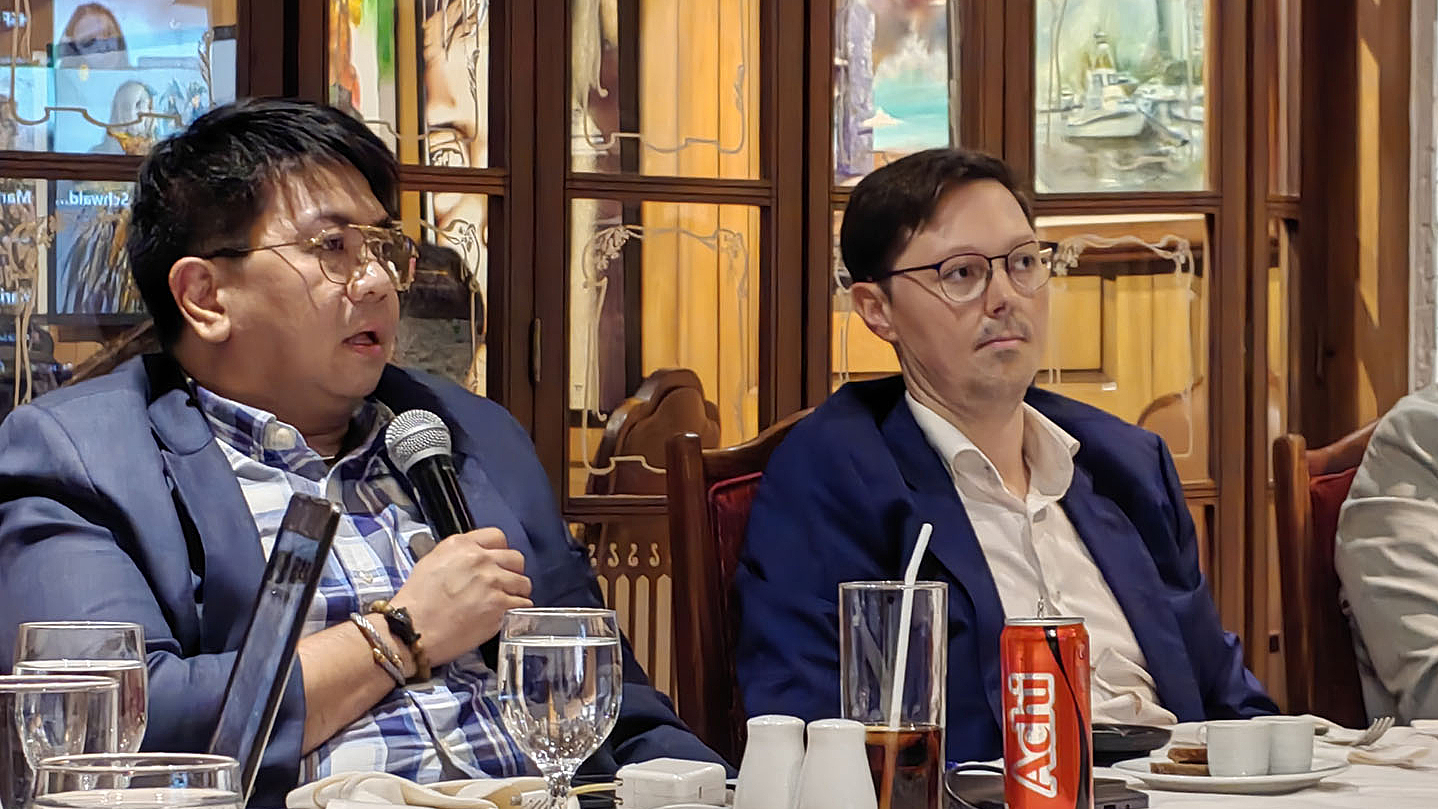
The speakers examined the Philippine midterm results and their political implications, provided an overview of Germany’s current political landscape, and analysed the rise of non-mainstream parties in Germany’s snap election. The exchange illuminated electoral dynamics, voter behavior, and coalition complexities shaping governance in both democracies.
The discussions during this activity bridged critical insights into Germany’s 2025 snap federal election and the recent Philippine Midterm elections, highlighting how electoral outcomes reflect broader political shifts in both countries. The exchange deepened the participants’ understanding of electoral shifts and governance challenges in both countries. It afforded them a more comprehensive grasp of democratic processes, political trends, and challenges faced by emerging parties, fostering cross-national learning amongst the scholars and alumni.
The event strengthened ties amongst Filipino and German scholars, enriched their comparative political knowledge, and inspired collaborative initiatives. It showcased the Foundation’s role in equipping scholars as changemakers who can generate innovative ideas and promote deeper people-to-people links between the two countries.
HSF
Dr. Jutta Möhringer, Director of the Institute for Scholarship Programs at the Hanns Seidel Foundation in Munich, Germany, delivered the welcome message and expressed appreciation for the alumni, “You show what long-term impact looks like. You keep the connection to Germany alive and you carry forward values that unite us: openness, civic responsibility, and a belief in democratic cooperation."
Known as an organised group of former HSF scholars from the Philippines, the Hannsiklub comprises Germany alumni from the first batch of HSF scholars in 1983, that included young professionals from different fields of expertise who completed two-year further study and training programs in Germany with the support of the Hanns Seidel Foundation. This was succeeded by several more batches in the following years.
Less than ten years later, the Hannsiklub was established in 1992 by the alumni during the first Nachkontaktkonferenz (“Follow-up Contact Conference”) held in the Philippines. The primary objective of the association was for the group to remain in contact with each other and to keep alive the memories and experiences in Germany. The alumni also want to maintain and strengthen their contact to Germany and to the Foundation.