
Workshop on the rehabilitation of coastal areas
Coastal Rehabilitation: A Key Strategy for Climate Change Adaptation
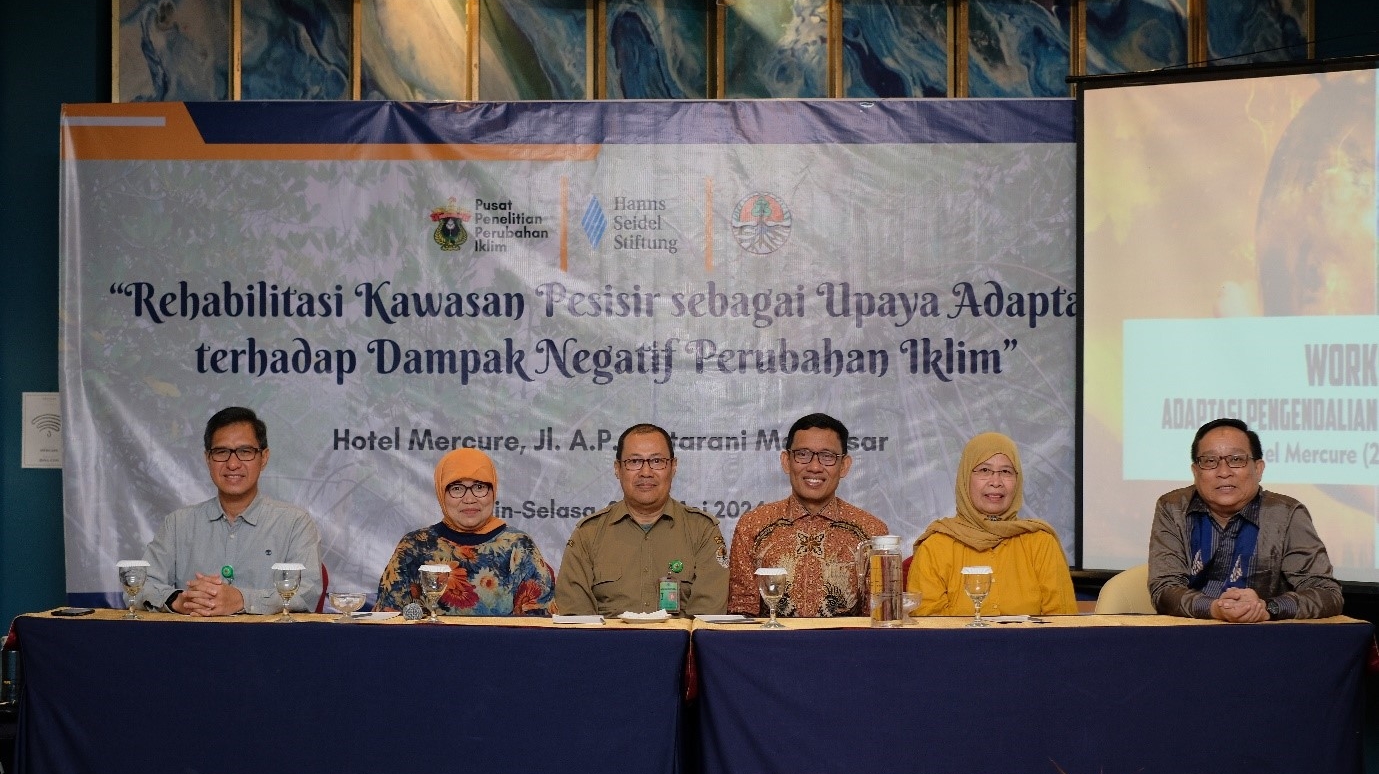
Dignitaries contributed to the workshop, from left to right, Director of Directorate of Climate Change Adaptation of the Indonesian Ministry of Environment and Forestry (Irawan Asaad, ST., MSc., Ph. D), Senior Researcher of University of Hasanudin (Prof. Nita Rukminasari, PhD), Secretary of the Directorate General of Climate Change Control of the Indonesian Ministry of Environment and Forestry (Agus Rusly, SPi, Msi), Head of the UHAS Research and Community Service Center (Prof. Nasrum Massi), Deupty Resident Representative Hanns Seidel Foundation in Indonesia (Nila Puspita) and Head of the Hasanuddin University (UNHAS) Climate Change Research Center (Ir. Rijal M. Idrus, MSc., PhD)
HSF
The two-day workshop, held on May 21-22, 2024, in Makassar, South Sulawesi, brought together over 100 participants, including academics, NGOs, practitioners, think tanks, media representatives, and youth from across the province. The exchange of best practices and studies during the workshop underscored the critical role of coastal rehabilitation in ensuring the sustainability of these vulnerable areas amidst the growing threat of climate change. The event featured a range of presentations and discussions, emphasizing the importance of climate change adaptation policies and the experiences of local communities, particularly fishermen in the Spermonde Archipelago. Participants also engaged in hands-on activities, including an excursion to plant mangrove seeds in the Untia area, which will be maintained by the local community.
Prof. Nasrum Massi, Head of the Hasanuddin University Research and Community Service Center, opened the workshop by expressing his appreciation for the event. He highlighted its relevance to the needs of coastal and island communities, which are increasingly under pressure from both anthropogenic factors and a limited capacity to anticipate and mitigate the impacts of climate change. Agus Rusly, Secretary of the Directorate General of Climate Change Control, emphasized Indonesia’s commitment to controlling global temperature rise as part of its Nationally Determined Contributions (NDCs) under the Paris Agreement. He reiterated the nation’s goal to keep global temperature increases below 1.5 degrees Celsius. Irawan Asaad, Director of the Climate Change Adaptation Directorate, presented Indonesia’s climate change adaptation policies, their role in achieving national NDC targets, and the identification of local needs. His presentation provided a comprehensive overview of the strategies in place to build resilience in vulnerable communities.
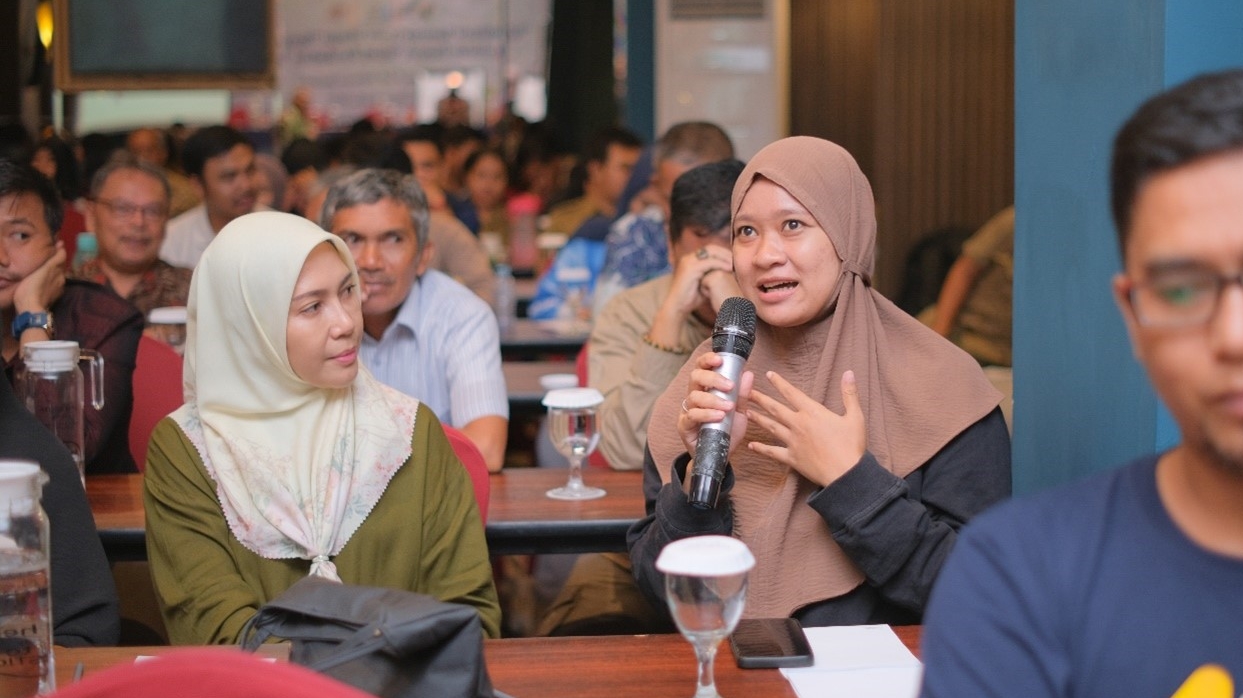
Participants during Q & A session
HSF
The workshop also featured contributions from various think tanks and NGOs, including an account of efforts to strengthen climate change care groups in Pinrang Regency’s five coastal villages since 2021. Blue Forests, an NGO, shared their experience in implementing community-based programs aimed at strengthening resilience and adaptation to climate change through mangrove-based actions.
The event was a crucial step forward in fostering collaboration among stakeholders in South Sulawesi Province, ensuring that coastal areas are better prepared to face the challenges posed by climate change. The insights gained and the relationships built during this event will contribute to more effective climate adaptation strategies in the region.
Media coverages links in Indonesian:
- https://pelakita.id/2024/05/22/puslit-perubahan-iklim-unhas-dan-klhk-perkuat-kapasitas-para-pihak-terkait-rehabilitasi-kawasan-pesisir/
- https://makassar.tribunnews.com/2024/05/20/klhk-unhas-kaji-adaptasi-dampak-negatif-perubahan-iklim
- https://readnews.id/workshop-adaptasi-ppi-angkat-pentingnya-kebijakan-dan-perubahan-iklim/
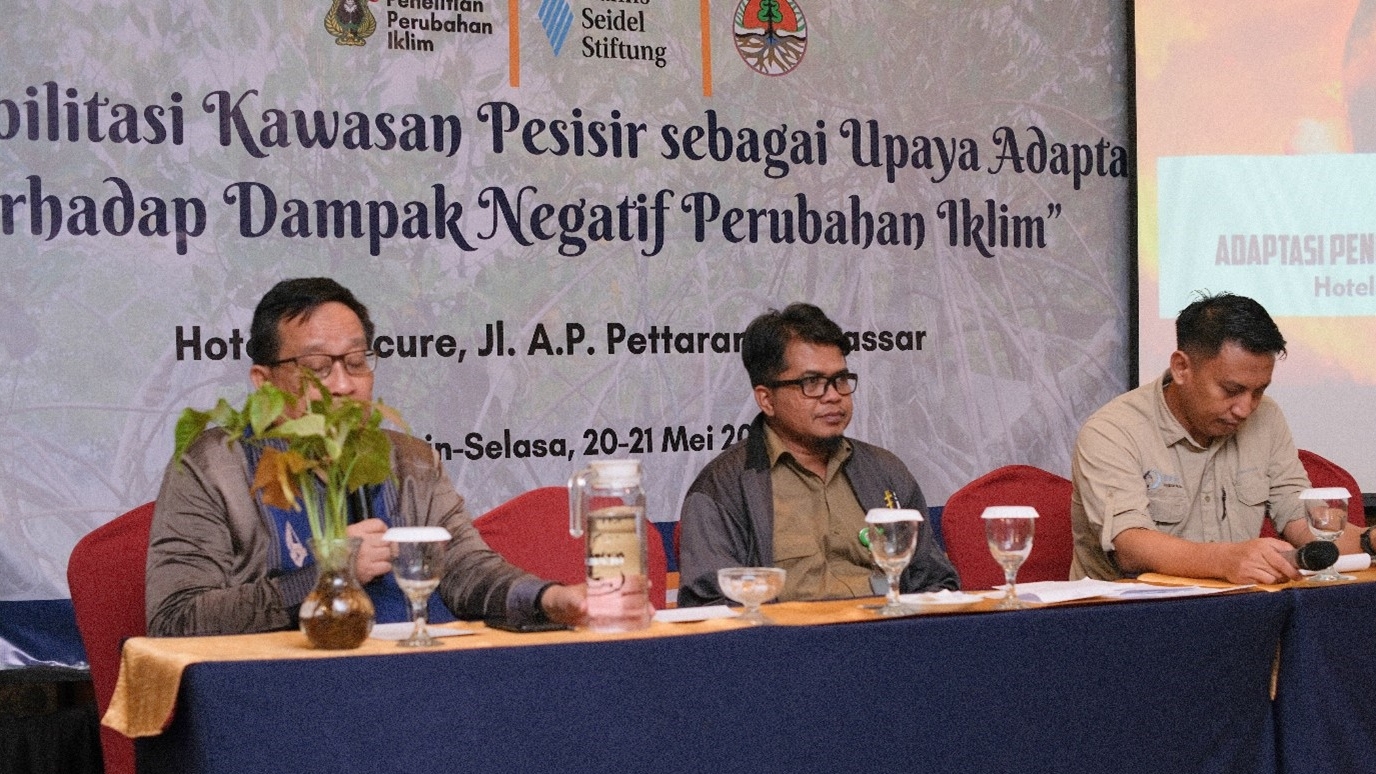
Discussion on Blue Forests' experience in implementing community-based programs with an orientation towards strengthening resilience and adaptation to climate change by using mangroves as a basis for action
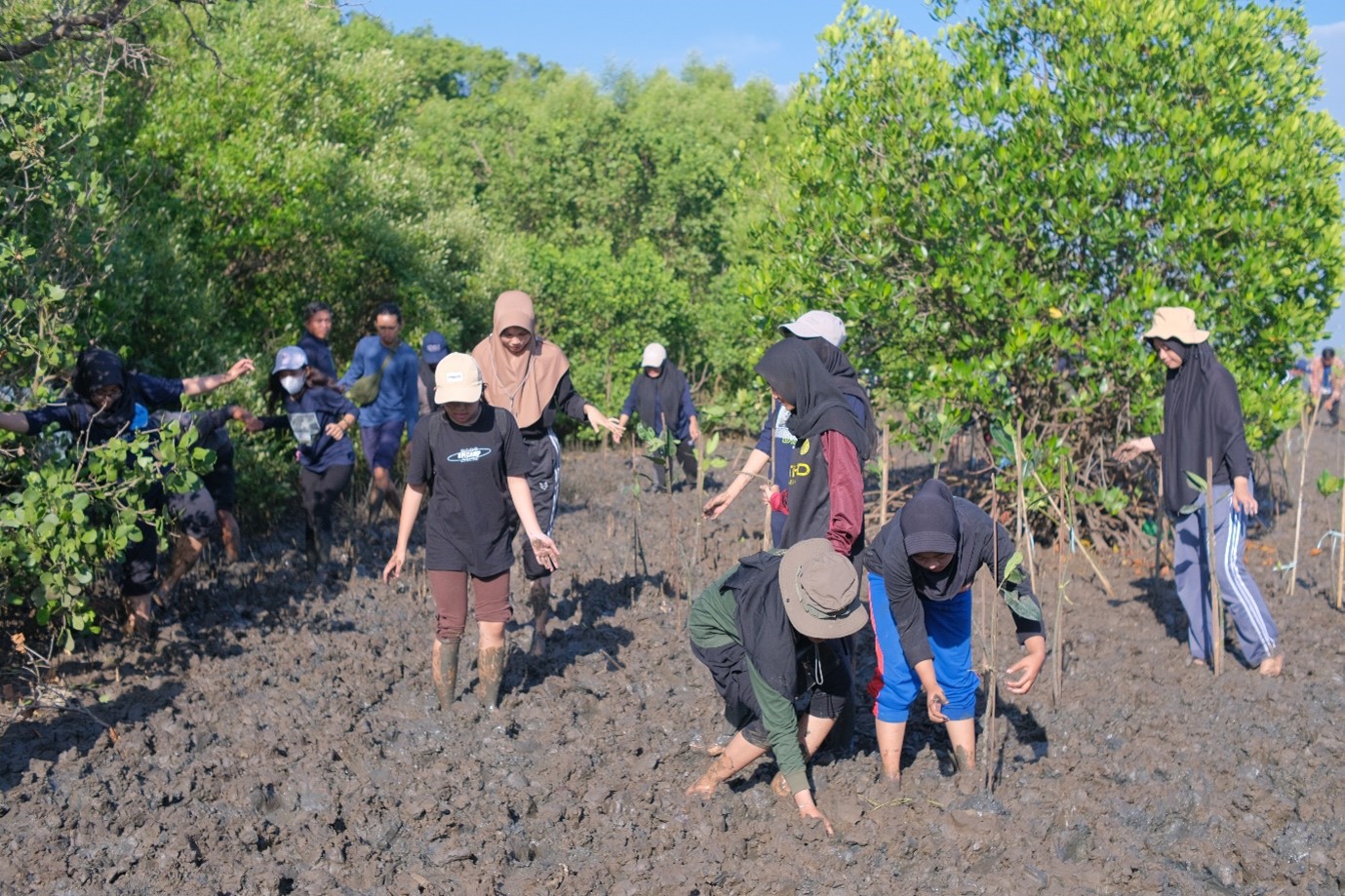
Youth planting mangrove seeds in Untia area