
Community-Based Dialogues Project (CBD)
CBD on Human Rights Legislation by the Local Government Units in the Province of Batangas
HSF
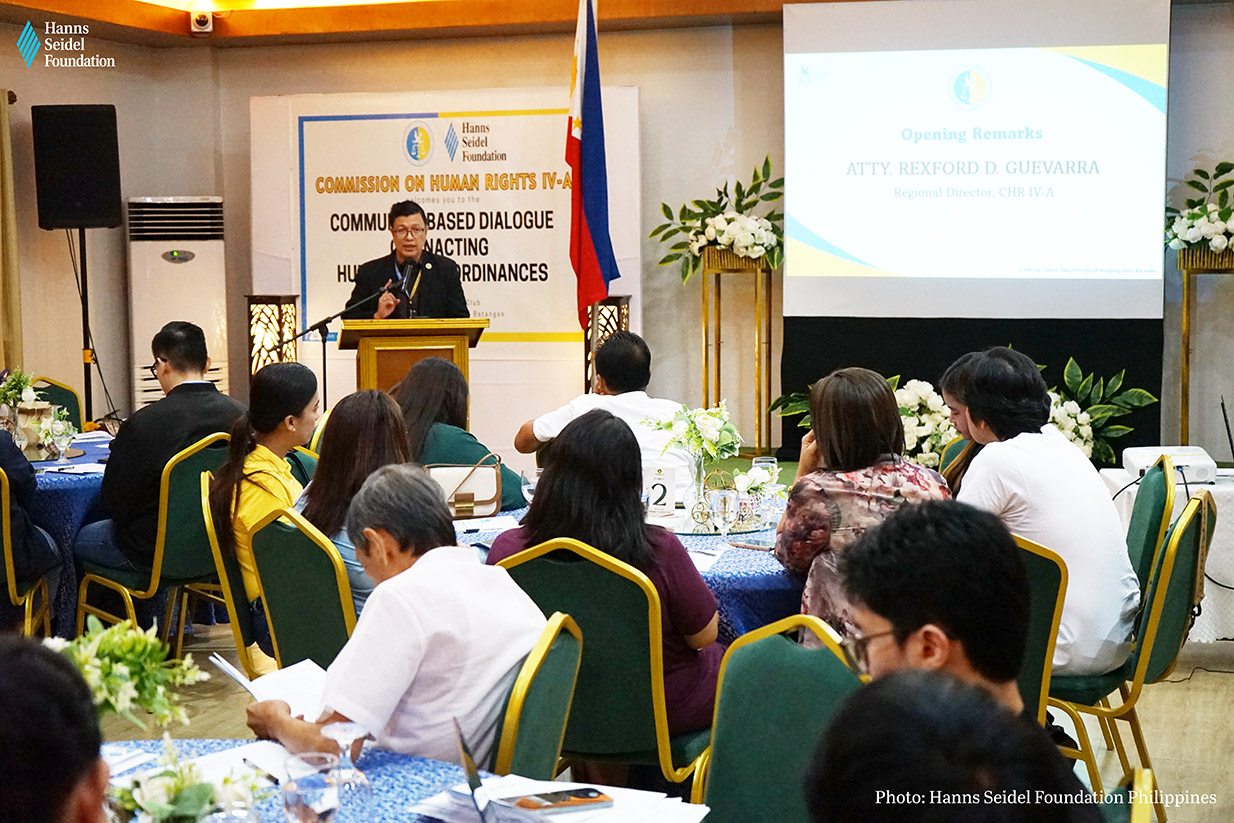
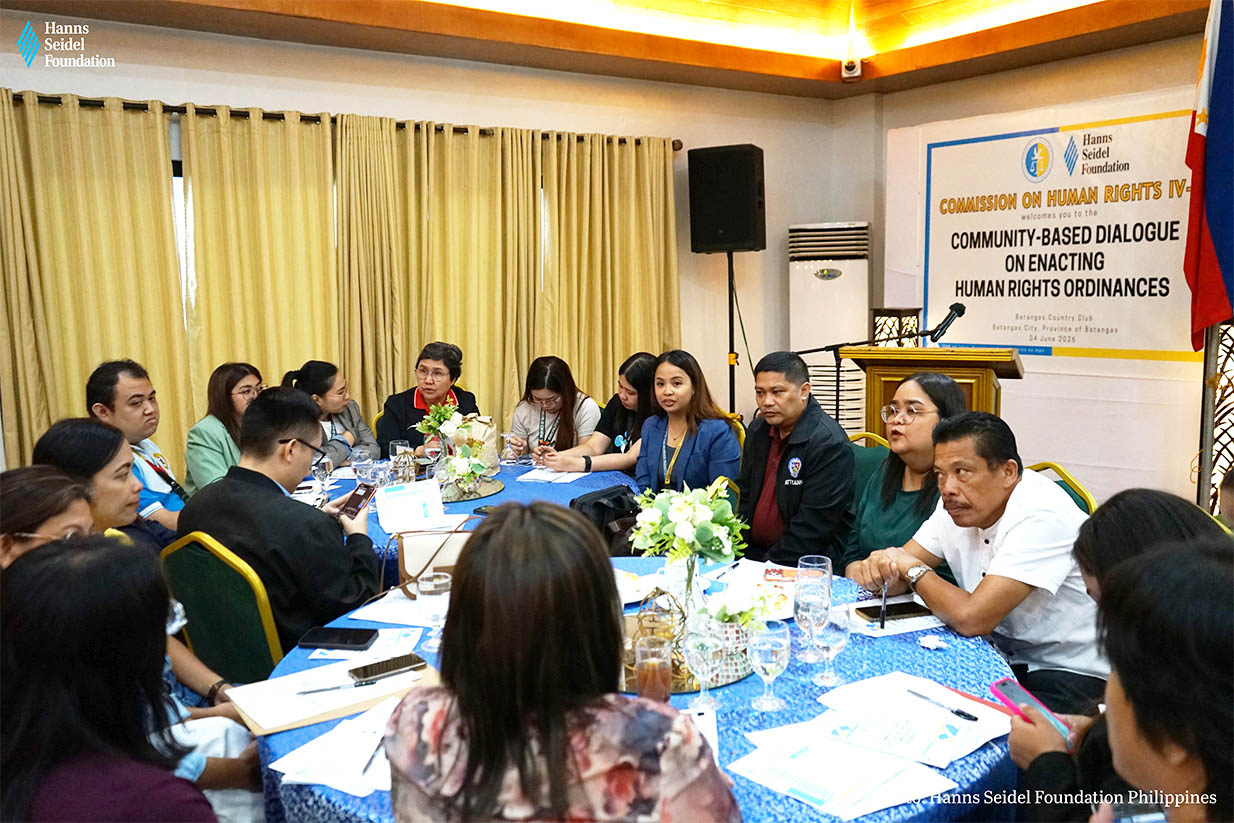
The half-day activity brought together more than 50 participants composed of vice mayors, councilors, legal officers, municipal staff, and CHR Region IV-A personnel. The dialogue provided a structured platform for local legislators and government officials to exchange experiences, identify legislative gaps, and explore opportunities for developing ordinances that promote and protect human rights within their respective jurisdictions.
The participation of representatives from the Department of the Interior and Local Government (DILG) highlighted the importance of inter-agency cooperation in strengthening local governance and advancing human rights-based approaches to policymaking.
In Region IV-A, the CBD has become an established mechanism for local human rights engagement through Regional Development Council Resolution No. IV-A-165-2018. Since its institutionalization, the initiative has served as a venue for transforming policy discussions into concrete commitments and local legislative action.
HSF
Program and Technical Sessions
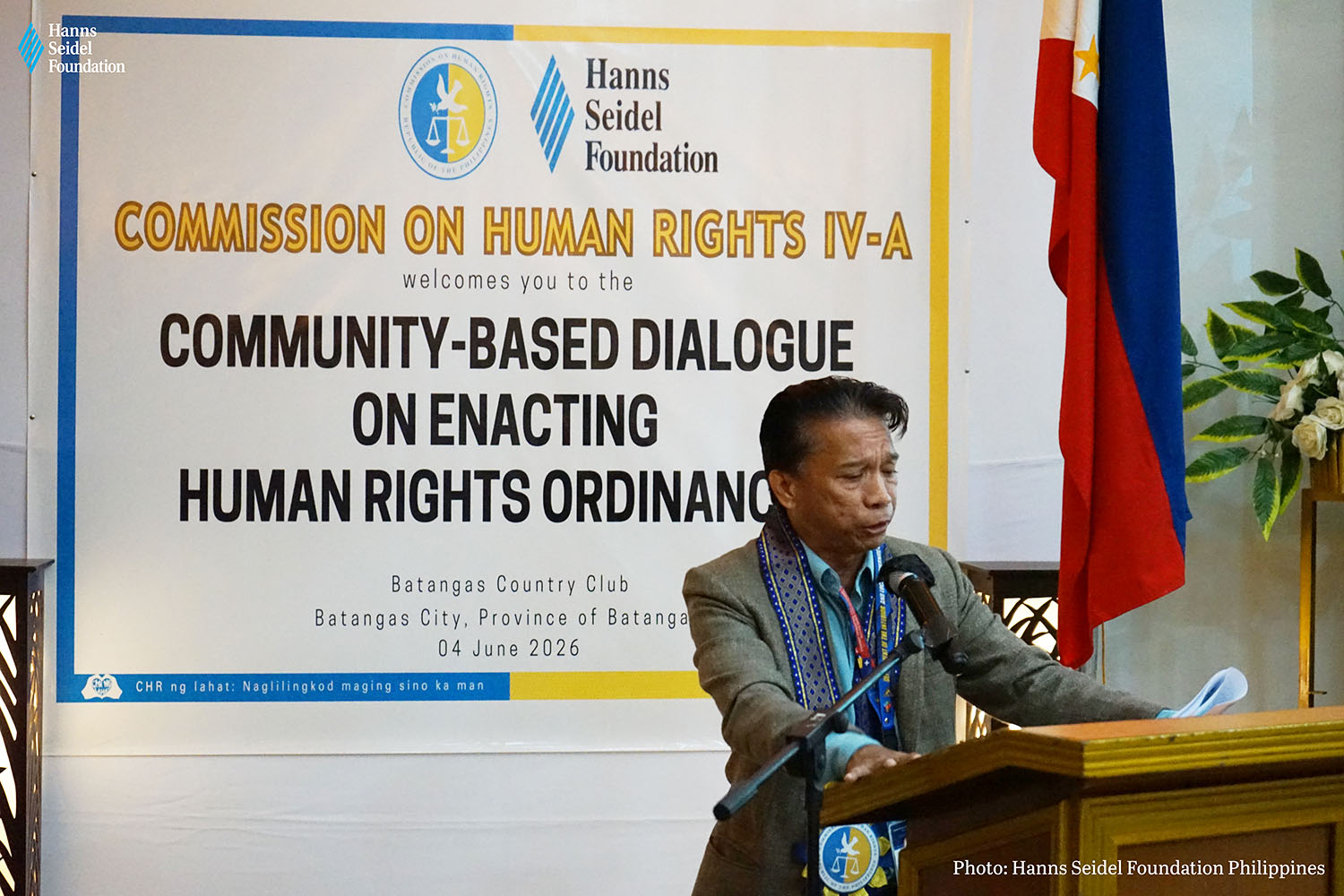
The dialogue commenced with opening remarks emphasizing the CBD's role as a platform for constructive engagement among local governments, national agencies, and human rights stakeholders. Participants were encouraged to view human rights legislation not merely as a legal requirement, but as a practical tool for addressing local governance challenges and improving the delivery of public services.
The opening session also underscored the critical role of local legislators in translating national human rights commitments into local policies that directly benefit communities.
A representative from the DILG expressed support for the initiative and reaffirmed the agency’s commitment to strengthening local government capacities in promoting and protecting human rights.
HSF
Resource persons from CHR Region IV-A facilitated discussions on key human rights laws and policy frameworks that require affirmative action from local government units.
The presentations covered:
Establishment of Human Rights Action Centers (HRACs) and Human Rights Cities;
Anti-Discrimination Ordinances and Equality of Employment Opportunity Ordinances;
Localization of the Safe Spaces Act (R.A. No. 11313);
Establishment of Freedom Parks pursuant to Batas Pambansa Blg. 880.
The discussions highlighted how local ordinances can serve as practical mechanisms for addressing discrimination, promoting gender equality, expanding access to justice, and strengthening community participation in governance. Particular emphasis was placed on the role of HRACs in institutionalizing human rights mechanisms at the local level and on the Human Rights Cities framework as a model for integrating human rights principles into local planning, policymaking, and service delivery.