
Community-Based Dialogues Project (CBD)
CBD Empowers Rizal LGUs to Advance Human Rights Legislation
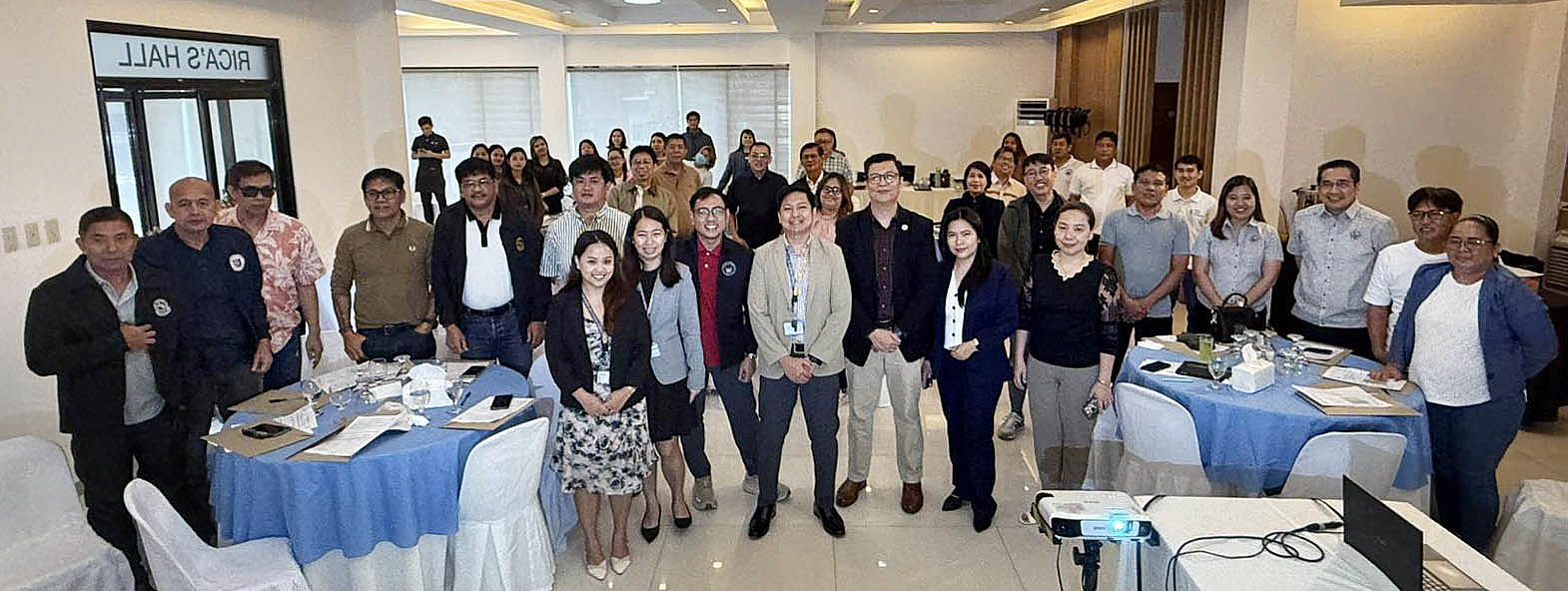
Participants of the Community-Based Dialogue on Human Rights Legislation by Local Government Units
© CHR
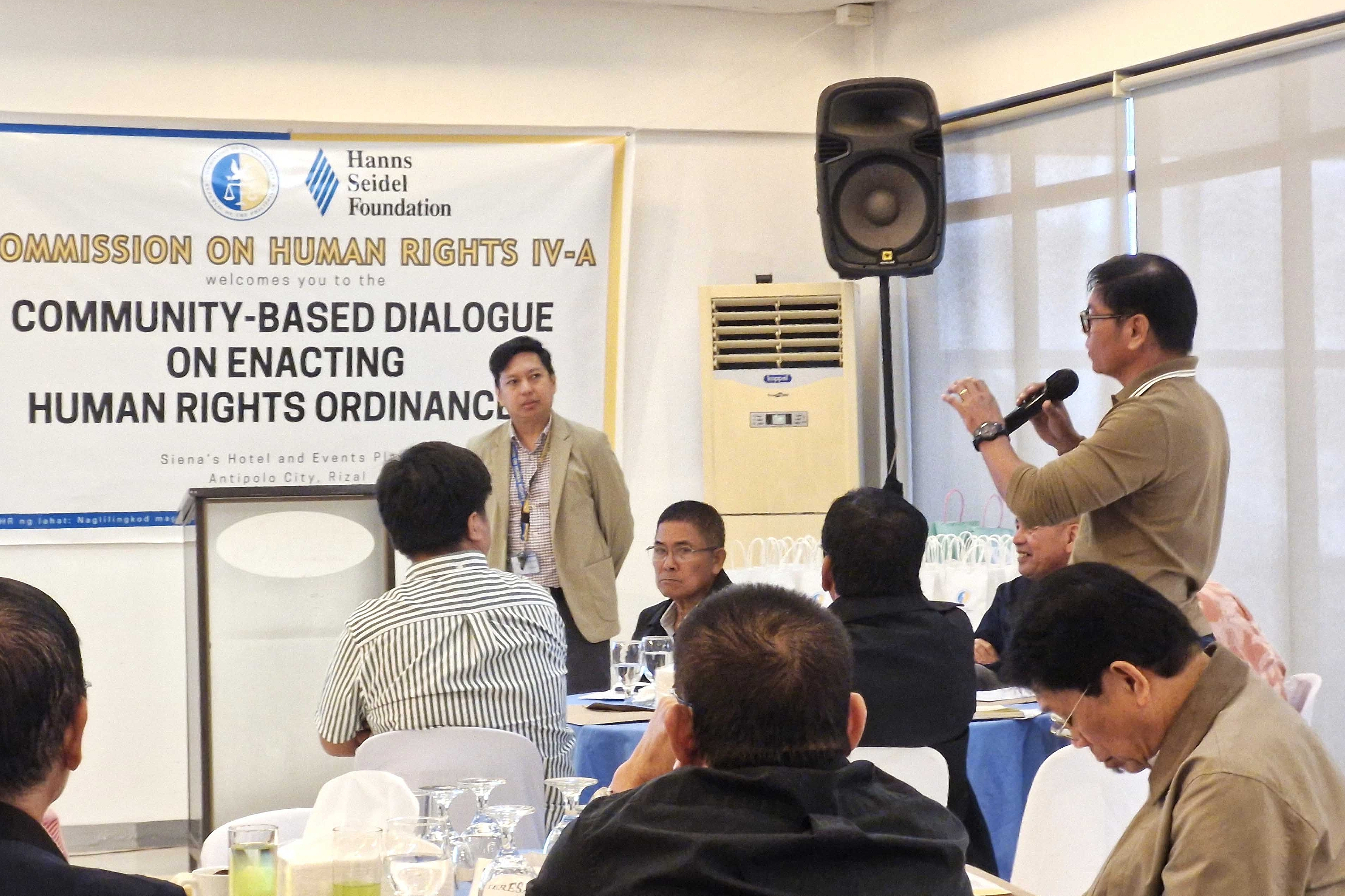
The session served as a structured platform for local legislators to exchange insights and formulate ordinances that promote and protect human rights within their respective jurisdictions. The active participation of the provincial government underscored strong institutional commitment to advancing human rights at the local level.
© HSF
Institutionalizing Human Rights Engagement
In CALABARZON region, the CBD initiative has been firmly institutionalized through Regional Development Council Resolution No. IV-A-165-2018, which recognized the program as an official mechanism for local human rights engagement. Since its adoption, CHR Region IV-A has continuously expanded the conduct of these dialogues—transforming discussions into commitments, and commitments into concrete policy measures that uphold human dignity.
Following the first CHR's CBD Session of 2025 in Cavite, the Rizal dialogue marked the second for the year. The series aims to strengthen local mechanisms that embed human rights principles into governance and legislation, ensuring that the State’s human rights obligations are fulfilled through proactive local action.
Addressing Local Human Rights Challenges
Rizal Province continues to face significant human rights challenges, particularly in employment, gender equality, and housing. Many residents rely on informal or unstable jobs with low pay and little to no social protection, leaving them vulnerable to discrimination and abuse. Limited local job opportunities force long commutes and contribute to unfair hiring practices that often disadvantage women, older workers, and those from informal-settler communities. At the same time, informal settlers face persistent stigma and insecure housing, with relocation sites frequently situated far from jobs and essential services. These realities underscore the urgent need for stronger implementation of local ordinances, fair labor standards, inclusive employment policies, and humane, livelihood-sensitive resettlement programs that protect the rights and dignity of all Rizaleños.
By surfacing these realities, the CBD in Rizal provided a timely venue for local leaders to identify concrete policy measures that directly respond to the human rights conditions on the ground.
© HSF
Program and Technical Sessions
The dialogue opened with a reaffirmation of the CBD’s vital role as a platform for addressing pressing human rights issues and fostering cooperation between government institutions and communities. It highlighted that similar CBDs are being conducted across the country to bridge the gap between the State and its citizens, and to cultivate a culture of rights-based governance.
The technical sessions featured resource discussions on national and local policies that require affirmative human rights actions from local government units. Topics included:
● Establishment of Human Rights Action Centers (HRACs);
● Localization of the Safe Spaces Act (R.A. 11313) and the Establishment of Freedom Parks Ordinance;
● Anti-Discrimination Ordinance (ADO) and Equality of Employment Opportunities Ordinance; and
● Strategies for policy popularization and local implementation.
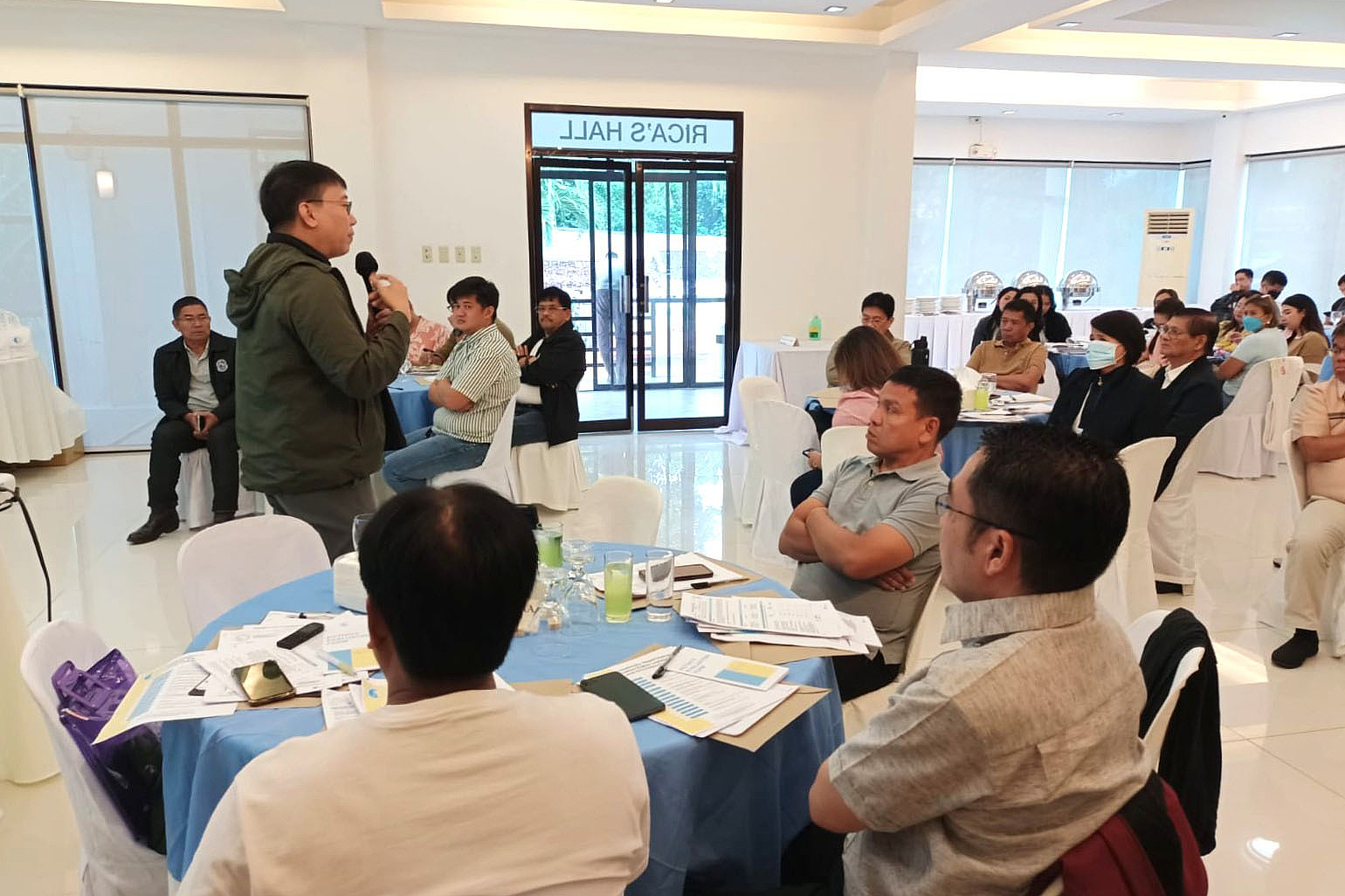
During the open forum, participants actively shared their experiences and best practices in establishing municipal HRACs and adopting human rights-related ordinances. These exchanges inspired other LGUs to replicate effective approaches and reaffirmed the collective intention to mainstream human rights frameworks into local legislation.
The CHR Region IV-A team expressed its commitment to provide continued technical guidance and monitoring support to participating LGUs in implementing their proposed ordinances.
Strengthening Cooperation for Rights-Based Governance
The session concluded with expressions of appreciation for the collaborative efforts of all participating local governments, the CHR and with the support of Hanns Seidel Foundation (HSF). The activity emphasized that multi-stakeholder cooperation is key to building participatory and rights-based local governance systems.
Participants accomplished evaluation forms as part of the HSF’s continuing effort to enhance program implementation through anonymous feedback and evaluation.
Through the CBD project, CHR Region IV-A and HSF reaffirm their shared commitment to empower local governments as champions of human rights, equality, and justice—ensuring that human rights principles are realized in every community.