
Promoting SCP and Circular Transition in ASEAN countries
ASEAN Sustainable Start-Ups Scale up for Global Markets
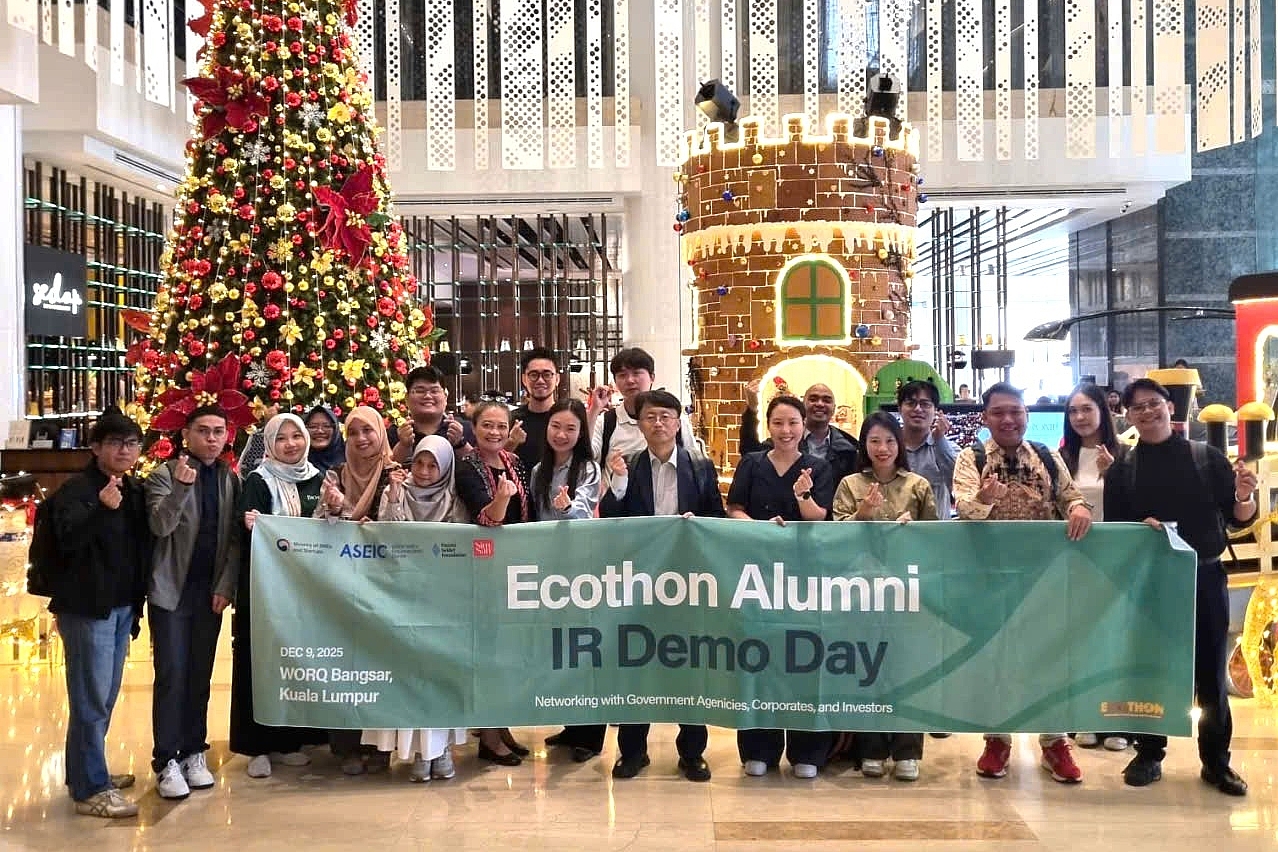
Participants in the programme in Kuala Lumpur
HSF
Building on the Ecothon initiative launched in 2019 by the ASEM SMEs Eco-Innovation Center (ASEIC) and the Hanns Seidel Foundation (HSF), the programme responds to a growing need among alumni start-ups for international exposure, investor access and cross-border collaboration. With a strong focus on Sustainable Development Goal 12 (Sustainable Consumption and Production), the acceleration programme aimed to strengthen the global readiness of eco-entrepreneurs committed to low-impact, circular and sustainable business models.
Out of 45 applications from seven ASEAN countries, 15 start-ups from Indonesia, Malaysia and the Philippines were selected to join the programme. The initiative began with an online seminar series that explored global impact investment trends, ESG expectations, overseas fundraising strategies and market expansion pathways for ASEAN and European markets. Through case studies and expert inputs, participants gained a clearer understanding of how to position their ventures for international investors and partners.
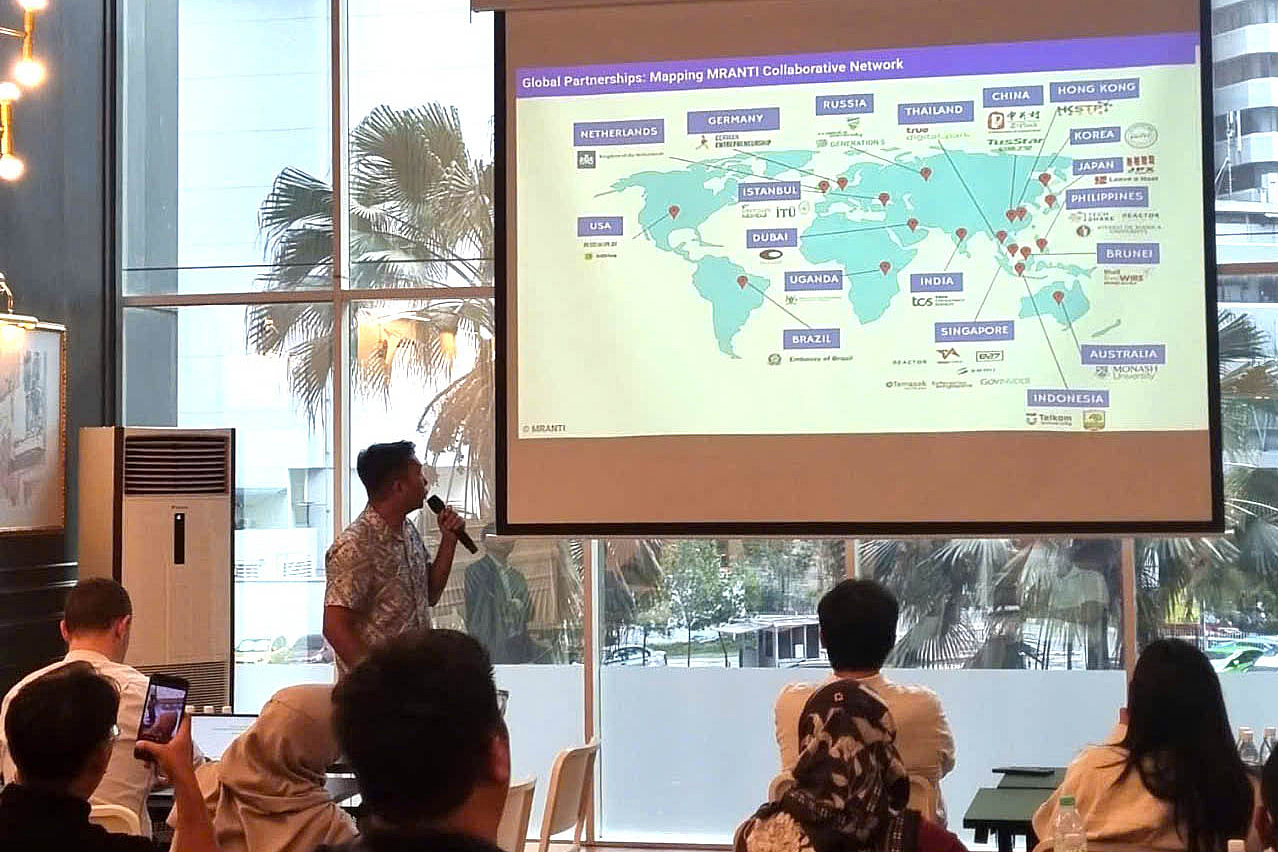
Representative from MRANTI presented during the offline event
HSF
This was followed by tailored online mentoring sessions, where start-ups worked closely with experts to refine investment narratives, sharpen market-entry strategies and prepare for pitching and matchmaking during the on-site phase in Kuala Lumpur.
The on-site programme formed the core of the acceleration experience. Participants visited key institutions such as the Malaysia Digital Economy Corporation (MDEC), gaining first-hand insights into Malaysia’s start-up support infrastructure, innovation policies and potential proof-of-concept and testbed opportunities. Thematic seminars highlighted Malaysia’s role as a regional green innovation hub, with contributions from ecosystem actors including Malaysian Research Accelerator for Technology & Innovation (MRANTI) and MDEC.
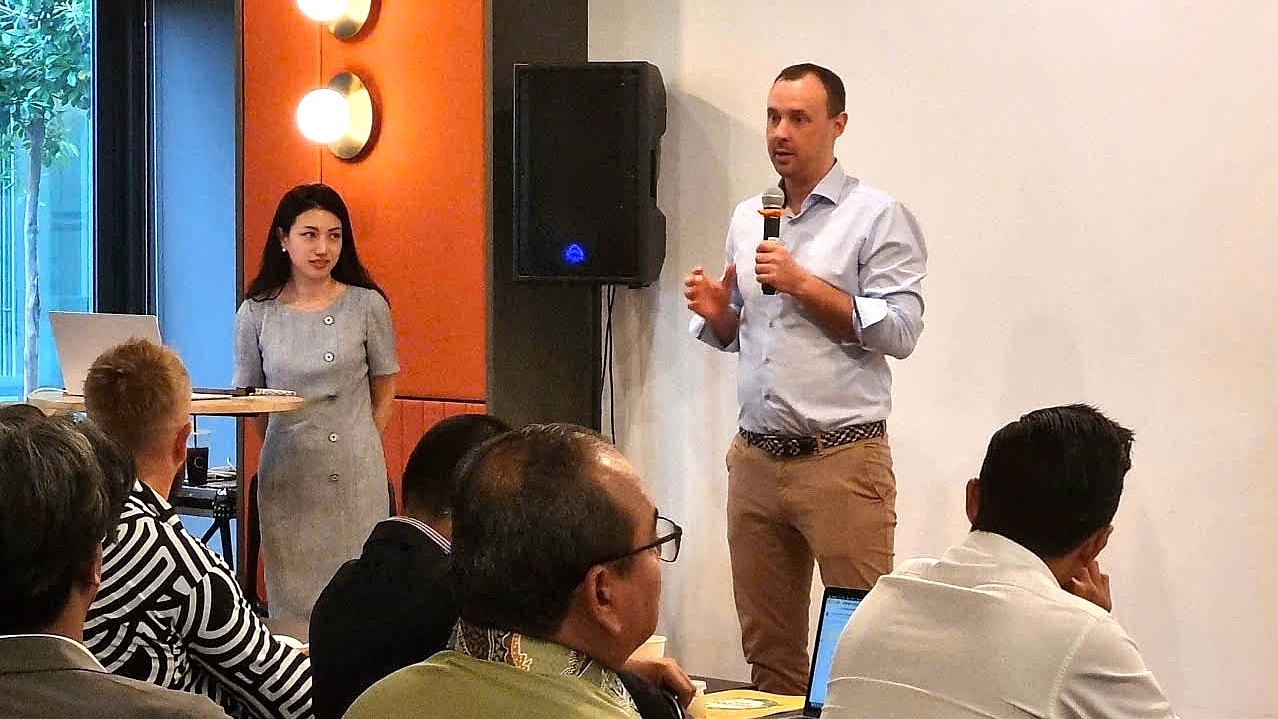
Mr Michael Siegner (HSF) opened the pitching session
HSF
Networking was a central feature of the programme. Dedicated networking events and a pitching and business matchmaking day enabled Ecothon alumni to present their solutions to investors and potential partners, while structured exchanges encouraged collaboration among entrepreneurs facing similar scaling challenges. Start-ups also took part in regional exhibitions such as Clean Energy Transition Asia and MobilityX, broadening their exposure to emerging trends in clean energy and sustainable mobility.
Following the success of the Ecothon Alumni Global Acceleration Program 2025, HSF and ASEIC are exploring options to continue and expand Ecothon activities in 2026, with a stronger focus on alumni engagement, investor linkages and cross-regional cooperation.
HSF’s support for this initiative is part of the Think Global Sustainability Network under HSF’s Global Project on Mitigation and Adaptation to Climate Change (GMACC).